


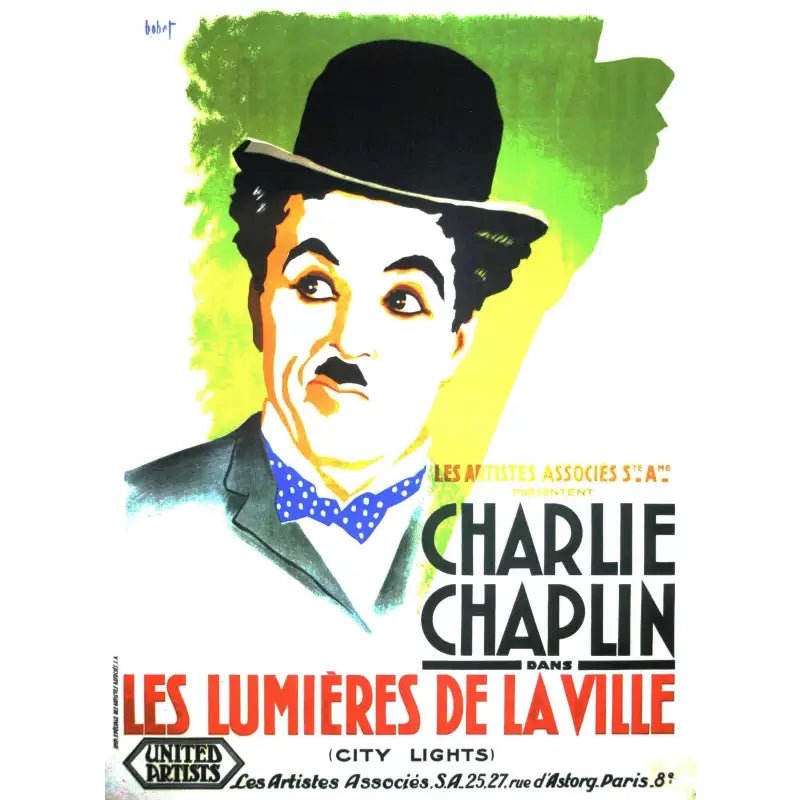
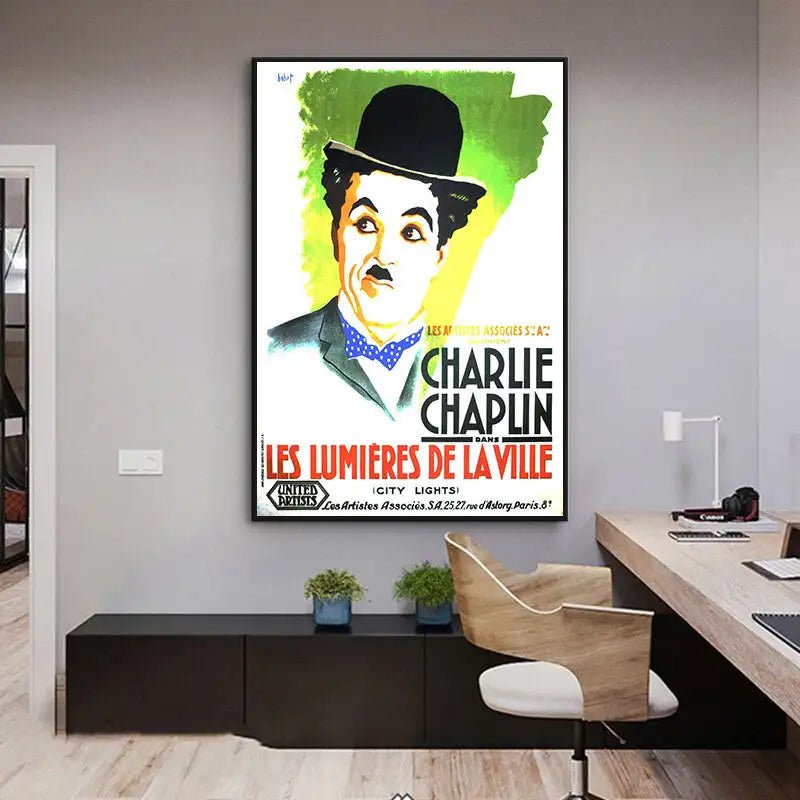
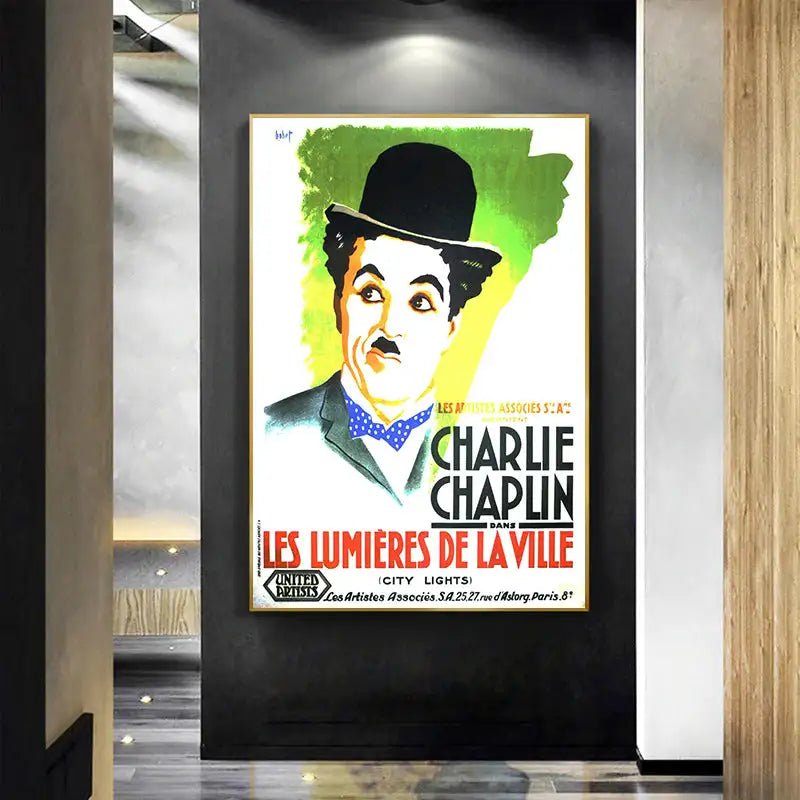
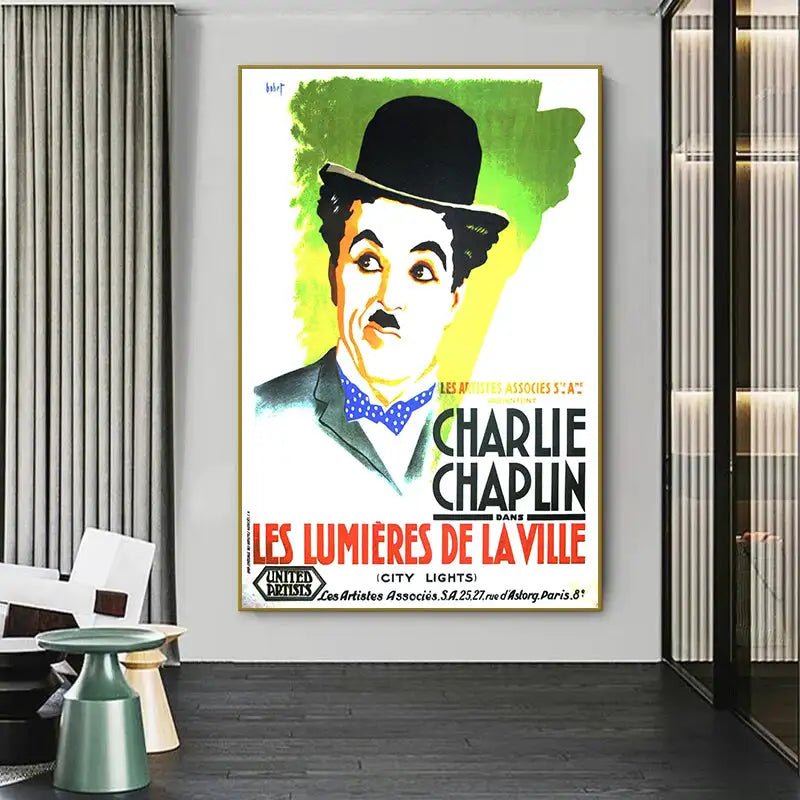
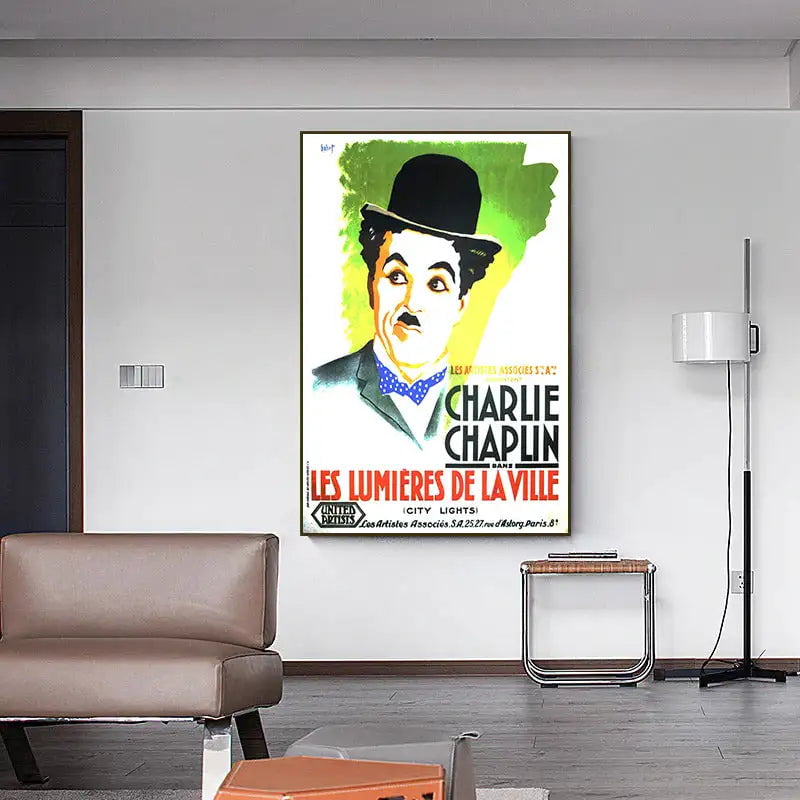
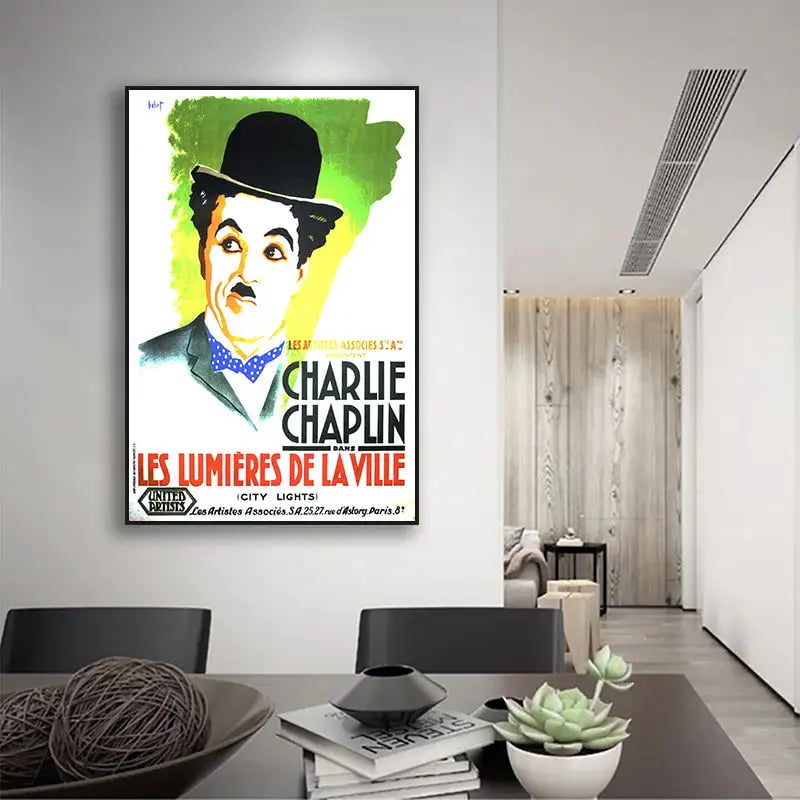
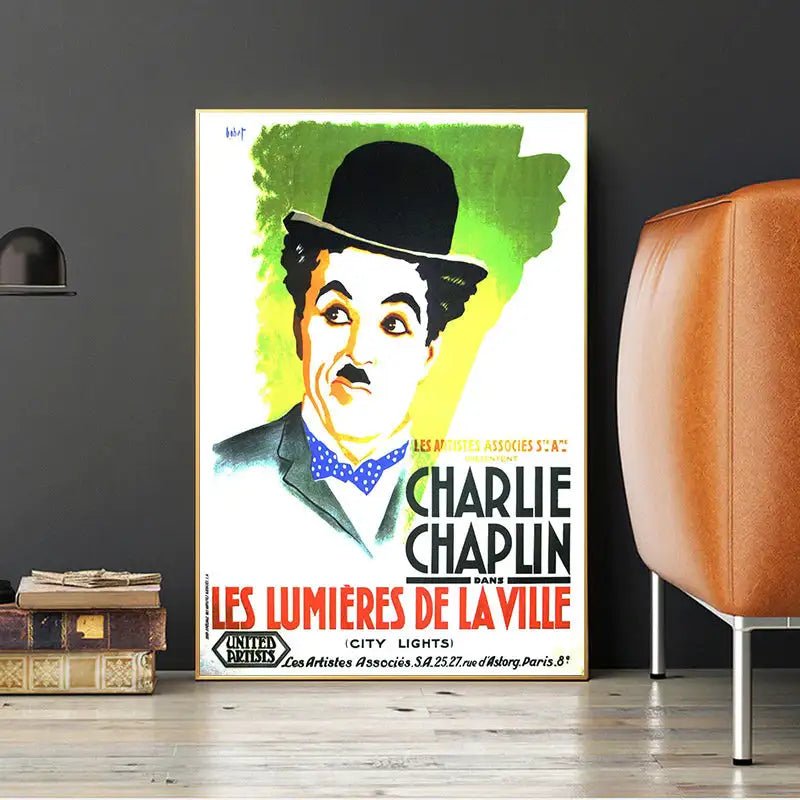


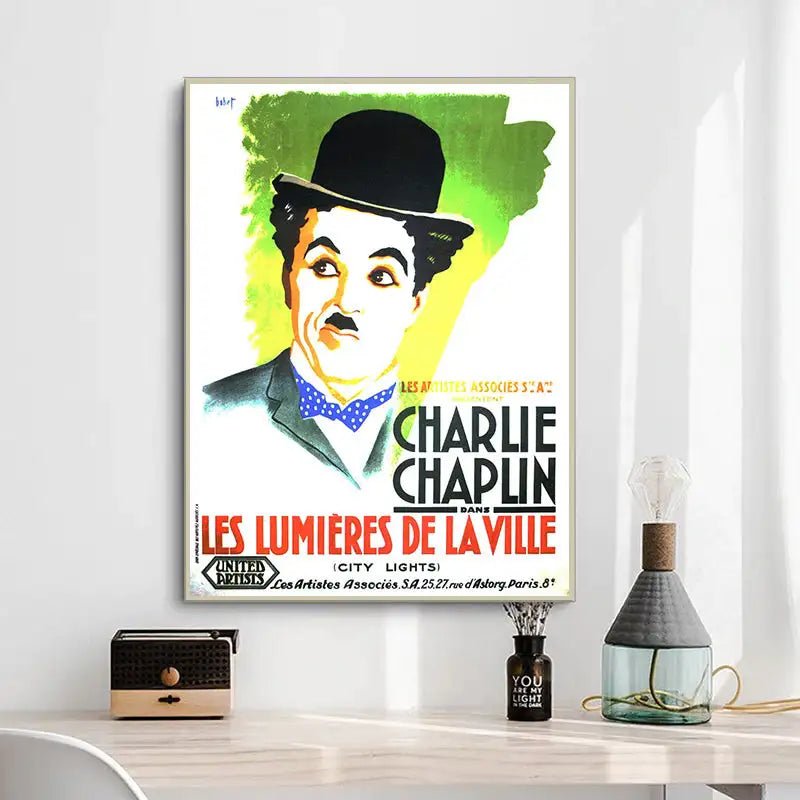
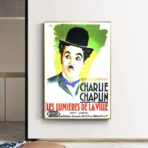
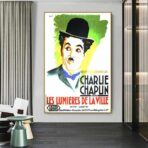
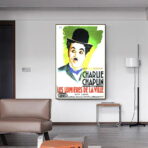
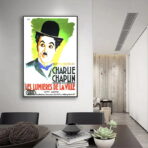
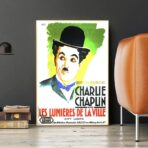


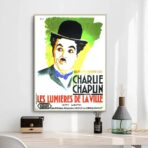








Discover Charlie Chaplin’s first sound film with this magnificent City Lights Poster that will add a touch of nostalgia to your decor.
Discover Charlie Chaplin’s first sound film with this magnificent City Lights Poster that will add a touch of nostalgia to your decor.
- Paper Feature:
- 🎨 Canvas: world standard in terms of printing and imitating a “painting canvas” look.
- By default, the poster contains a 4 cm white border for framing (frame not included). If you don’t want it, please choose “without white border”.
- ✅ Size: Multiple choices available. ✅
- High UV resistance.
- Maximum color vibrancy, no glare.
- Recycled paper, ensuring environmental friendliness.
- Poster packaged carefully and delivered in a protective tube for total protection.
- FREE STANDARD DELIVERY.
⚠️Frame not included. ⚠️
Description of this City Lights Poster
City Lights is a 1931 American silent romantic comedy film written, produced, directed by, and starring Charlie Chaplin. The story follows the misadventures of Chaplin’s tramp, who falls in love with a blind girl (Virginia Cherrill) and develops a tumultuous friendship with an alcoholic millionaire (Harry Myers).
Although sound films were booming when Chaplin began developing the script in 1928, he decided to continue working with silent productions. Filming began in December 1928 and ended in September 1930. City Lights marked the first time Chaplin had composed film music for one of his own productions, and it was written in six weeks with Arthur Johnston. The main theme, used as a leitmotif for the blind florist, is the song “La Violetera” (“Who Will Buy My Violets”) by Spanish composer José Padilla. Chaplin lost a lawsuit against Padilla for not crediting him.
City Lights was an immediate success upon its release on January 30, 1931, with positive reviews and worldwide revenues of over $4 million. Today, many critics consider it not only the greatest achievement of Chaplin’s career, but also one of the greatest films of all time. Chaplin biographer Jeffrey Vance believes that “City Lights is not only Charles Chaplin’s masterpiece, it is also an act of defiance,” as it was released four years after the beginning of the era of sound films, which began with the premiere of The Jazz Singer (1927). [In 1991, the Library of Congress selected City Lights for preservation in the United States National Film Registry because of its “cultural, historical, or aesthetic significance.”[5][6] In 2007, the American Film Institute ranked it 11th on its list of the best American films ever made. In 1949, critic James Agee called the film’s final scene “the greatest piece of acting ever committed to celluloid.”