



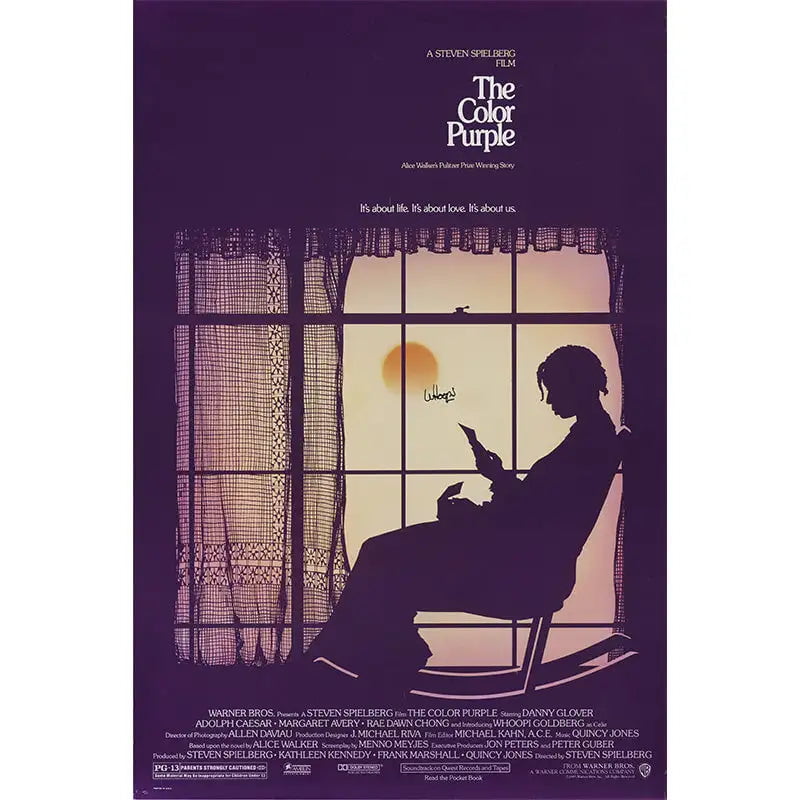
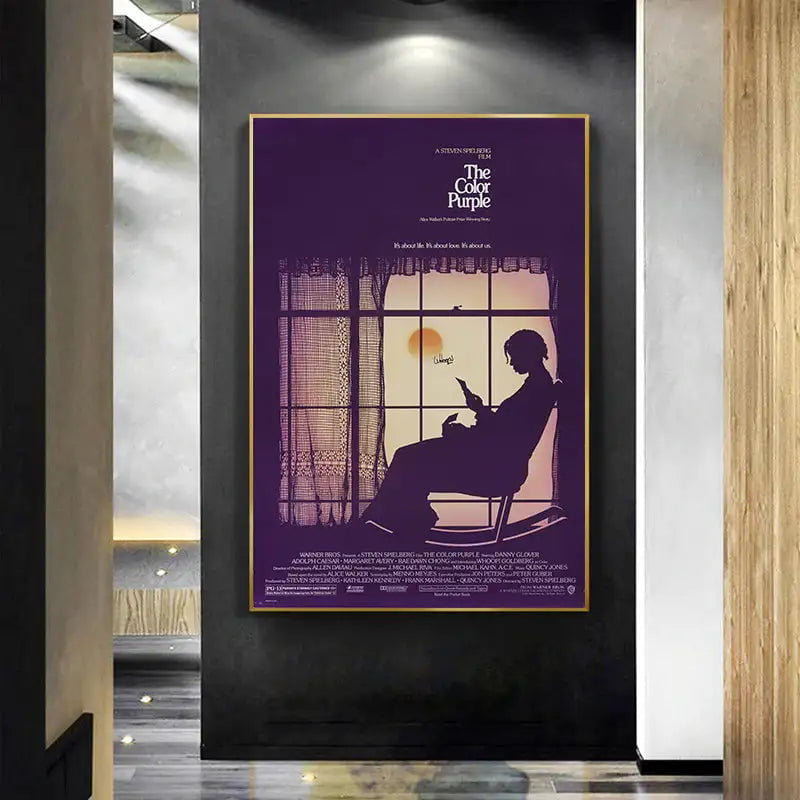
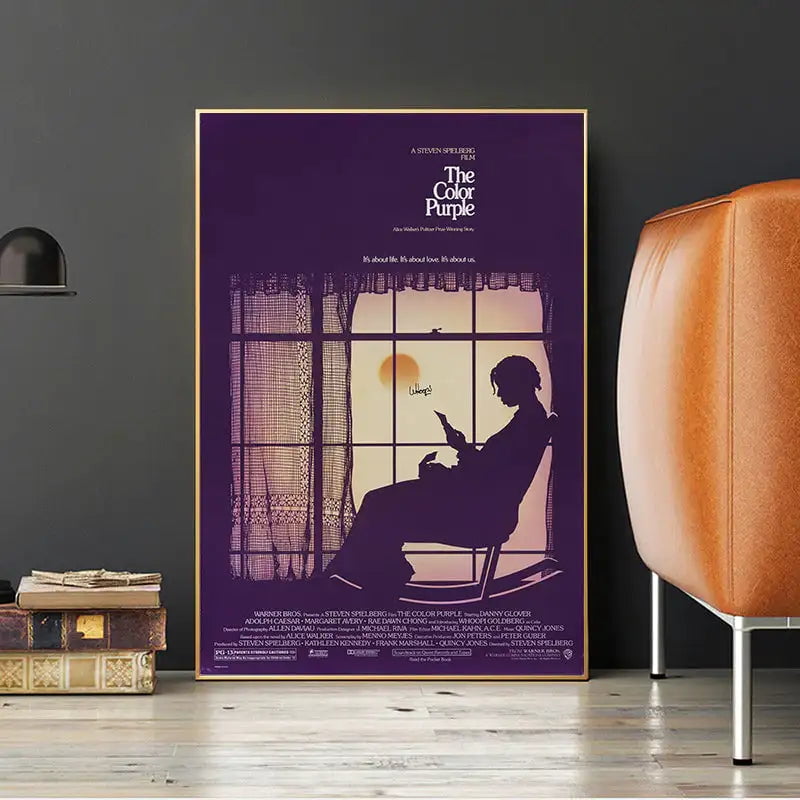

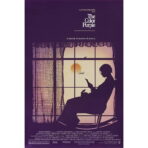




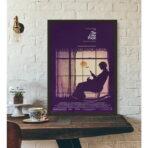











Discover Steven Spielberg’s masterpiece through the amazing design of this superb The Color Purple Poster that will not fail to amaze you!
- Paper Feature:
- 🎨 Canvas: global standard in terms of printing and imitating a “painting canvas” look.
- By default, the poster contains a 4cm white border for framing (frame not included). If you don’t want it, please choose “without white border”.
- ✅ Size: Multiple choices available. ✅
- High UV resistance.
- Color vibrancy maximum, glare-free.
- Paper recycled, guaranteeing environmental friendliness.
- Poster packaged carefully and delivered in a protective tube for Total protection.
- Free standard delivery.
⚠️ Frame not included. ⚠️
Description of this The Color Purple Poster
The Color Purple is a 1985 American comedy film directed by Steven Spielberg and written by Menno Meyjes, based on the 1982 Pulitzer Prize-winning novel of the same name by Alice Walker. It is Spielberg’s eighth film as a director and marks a turning point in his career, as it moves away from the summer blockbusters for which he had become known. It is also the first feature film directed by Spielberg to have a score composed not by John Williams, but by Quincy Jones, who also produced it. The cast stars Whoopi Goldberg in her film debut, along with Danny Glover, Oprah Winfrey in her film debut, Margaret Avery, Rae Dawn Chong, Willard Pugh, and Adolph Caesar.
Filmed in Anson and Union counties in North Carolina, the film tells the story of a young African American woman named Celie Harris and depicts the problems faced by African American women in the early 20th century, including domestic violence, incest, pedophilia, poverty, racism, and sexism.
The film was a box office success, grossing $142 million on a budget of $15 million. The film received critical acclaim, particularly for its acting (especially Goldberg), direction, screenplay, music, and production. However, it was also criticized by some for being “overly sentimental” and “stereotypical,” and was boycotted by some sections of the NAACP for its depiction of rape. Nevertheless, the film was nominated for eleven Academy Awards, including Best Picture, Best Actress for Goldberg, Best Supporting Actress for Avery and Winfrey, and Best Adapted Screenplay, but failed to win any awards, and Spielberg was not nominated for Best Director; at this point, it held the record for the film with the most nominations without an Oscar win since The Turning Point (1977). It also received four Golden Globe Award nominations, with Goldberg winning for Best Actress in a Motion Picture – Drama. Spielberg received a Directors Guild of America Award for Outstanding Directorial Achievement, and a Golden Globe nomination. The film was later included in Roger Ebert’s Great Movies book series.
Set in rural Hartwell, Georgia, in the early 20th century, Celie Harris is an African-American teenager who has two children born through rape by her abusive father, who removed them from their home before giving Celie in marriage to Albert “Mister” Johnson.
Mister, a widower, initially wanted to marry Celie’s younger sister, Nettie, to whom he is attracted. He also abuses Celie, and her children mistreat her. One day, Nettie runs away from home because she is tired of fending off her father’s sexual advances and seeks refuge with Celie, where the two promise to write to each other if they are separated. When Mister attempts to sexually assault Nettie, she fights back, and he furiously throws her out, fulfilling the promise she and Celie had made.
Years later, in 1916, Celie has become sentimental from childhood abuse. Mister’s son, Harpo, marries Sofia, and Celie is shocked to see her running a matriarchal household. Harpo attempts to dominate and hit Sofia, but fails. Celie advises Harpo to beat Sofia. Sofia fights back and confronts Celie, revealing her long history of abuse. She threatens to kill Harpo if he beats her again and tells Celie to do the same to Mister. After Harpo fails to change after years of continual abuse between them, Sofia leaves and takes their children.
Mister and Harpo bring home Shug Avery, an ailing showgirl and Mister’s longtime mistress. Celie, who has slowly grown fond of Shug thanks to a photo sent to Mister, is impressed by Shug’s strong will. She nurses Shug back to health, and Shug, in turn, grows fond of her, writing and performing a song about her on Harpo’s new jukebox, which he runs with his girlfriend, Squeak. Shug tells Celie she’s moving to Memphis, and Celie confides in Shug that Mister beats her. Shug tells Celie she’s beautiful and that she loves her, and they kiss. Celie packs her things to follow Shug to Memphis, but she is caught by Mister.
Meanwhile, Sofia has been imprisoned for hitting the town’s mayor after he slapped her for insulting his wife. Years pass, and she is a shell of herself. She is released from prison, but the judge immediately orders her to become a maid for the mayor’s wife, Mrs. Millie. Having not seen her children in eight years, Sofia is given one Christmas by Mrs. Millie to be with her family after meeting Celie in town, but Mrs. Millie backs out after panicking while trying to leave the yard and not being able to put the car in gear.
Shug returns to Celie and Mister’s house with her new husband, Grady, in town on business. Grady and Mister get drunk while Shug checks the mailbox. She finds a letter from Celie’s sister in Africa. Shug gives Celie Nettie’s letter, which tells her she works for a couple who adopted Celie’s children. Celie and Shug realize that Mister has been hiding Nettie’s letters from Celie. While he and Grady are out drinking, Shug and Celie search the house and find a hidden compartment under the floorboards containing bundles of Nettie’s unread letters.
Gathered in her reading, Celie doesn’t hear Mister’s pleas to shave him, and he slaps her. Celie tries to kill Mister with her razor, but Shug stops her. At a family gathering, Celie finally speaks out against Mister and his years of abuse, much to Shug’s delight. This fighting spirit also causes Sofia to revert to her old self and prompts Squeak to insist that men use her real name, Mary Agnes. Celie responds to Mister’s taunts by cursing him. Shug and Grady leave, taking Celie and Mary with them. Years later, Shug is reunited with her father, who is a minister, after years of estrangement due to his disapproval of her chosen life path. Mister has become a lonely drunk and allowed his home and farm to fall into disrepair. Harpo has made amends with Sofia; they now run the bar together, and Shug still performs there when she comes to town. When Celie’s father dies, she finally learns, through Nettie’s letters, that he wasn’t their biological father after all. When their mother died, Celie and Nettie legally inherited “his” property, and the house and store that had belonged to her biological father passed to Celie. Celie begins running a tailor shop. Mister receives a letter from Nettie addressed to Celie, takes money from her secret stash, and arranges for Nettie, her husband, and Celie’s children to return to the United States from Africa. While a redeemed Mister watches from afar, Celie, Nettie, and the children reunite, and the two sisters reunite over a childhood tap-dancing game.