




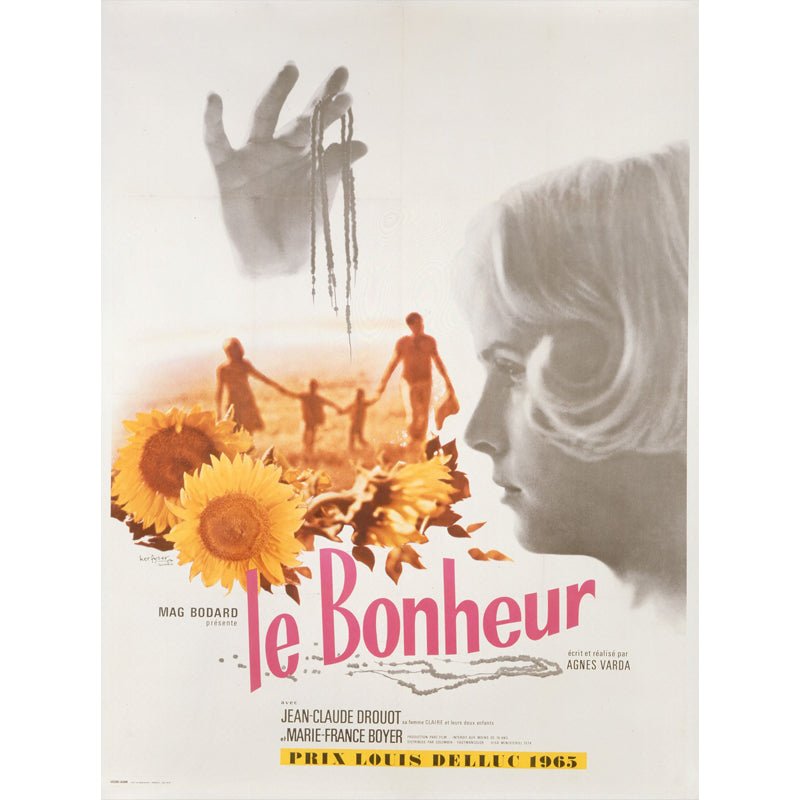
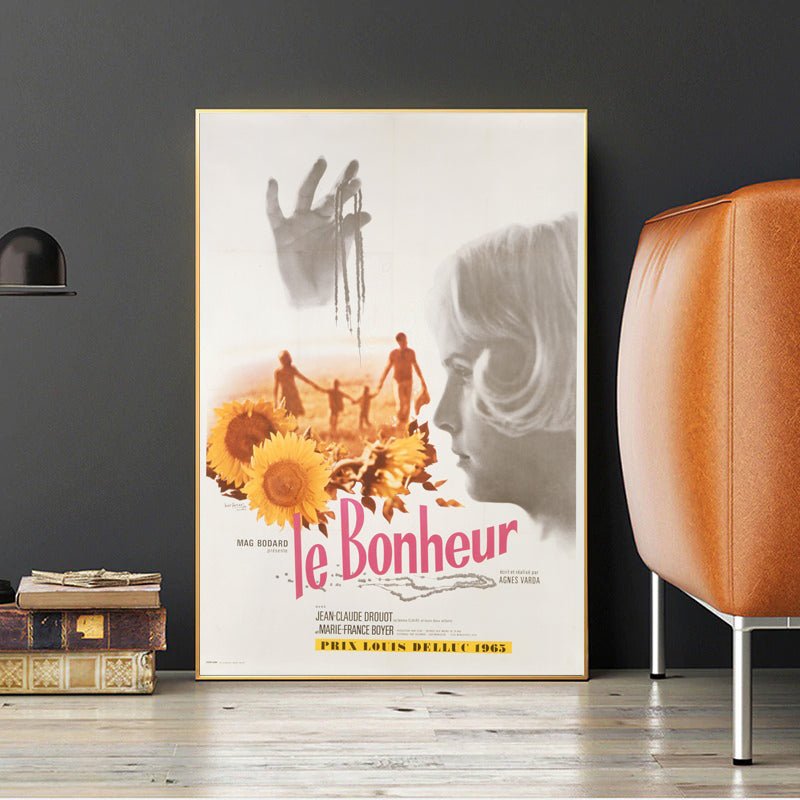
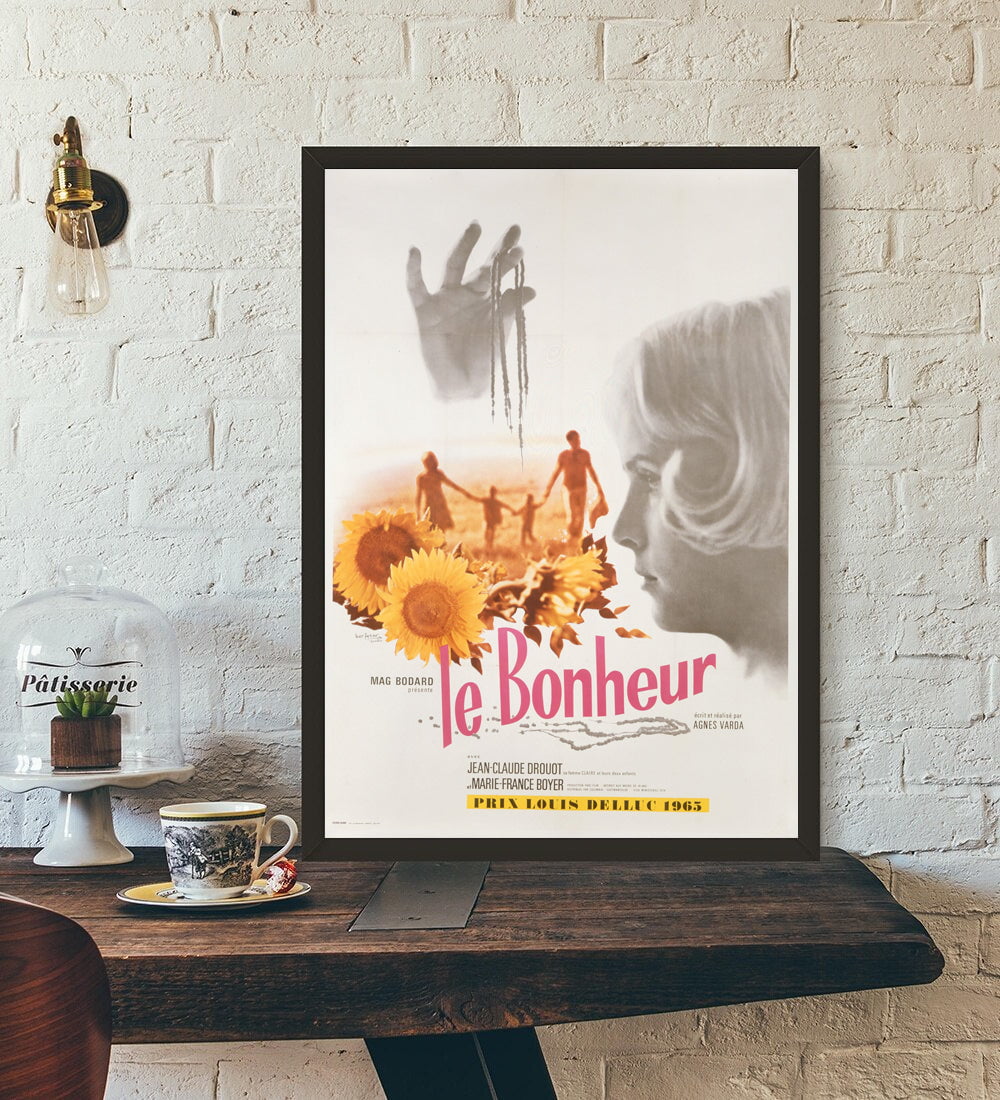
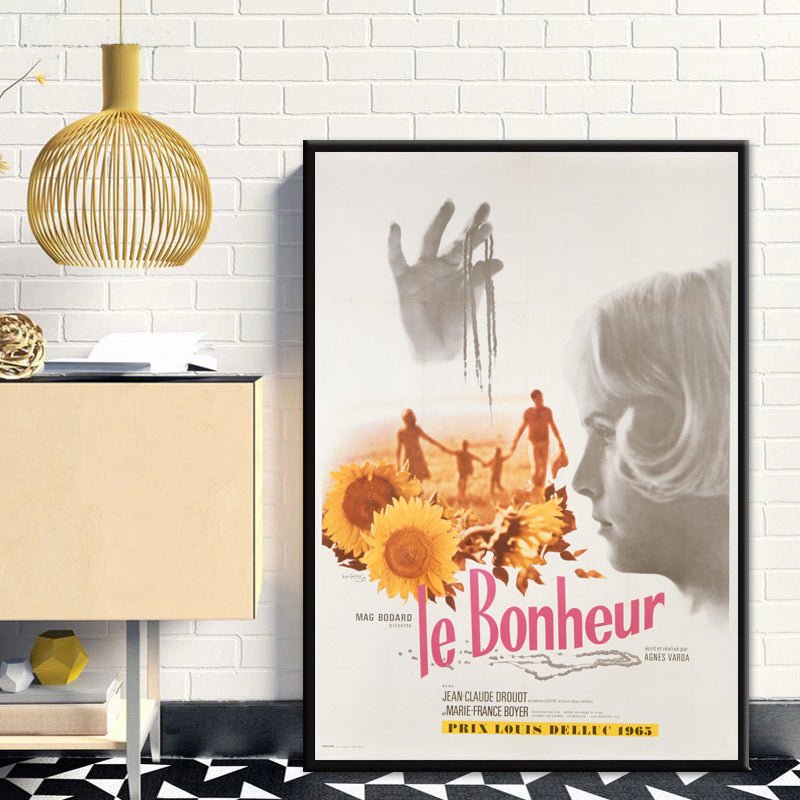
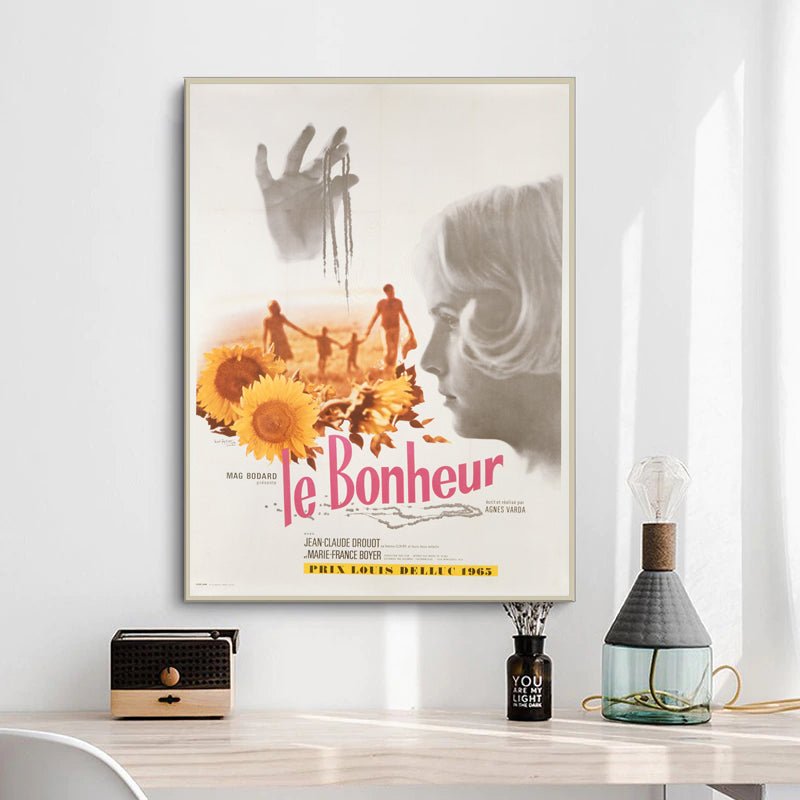

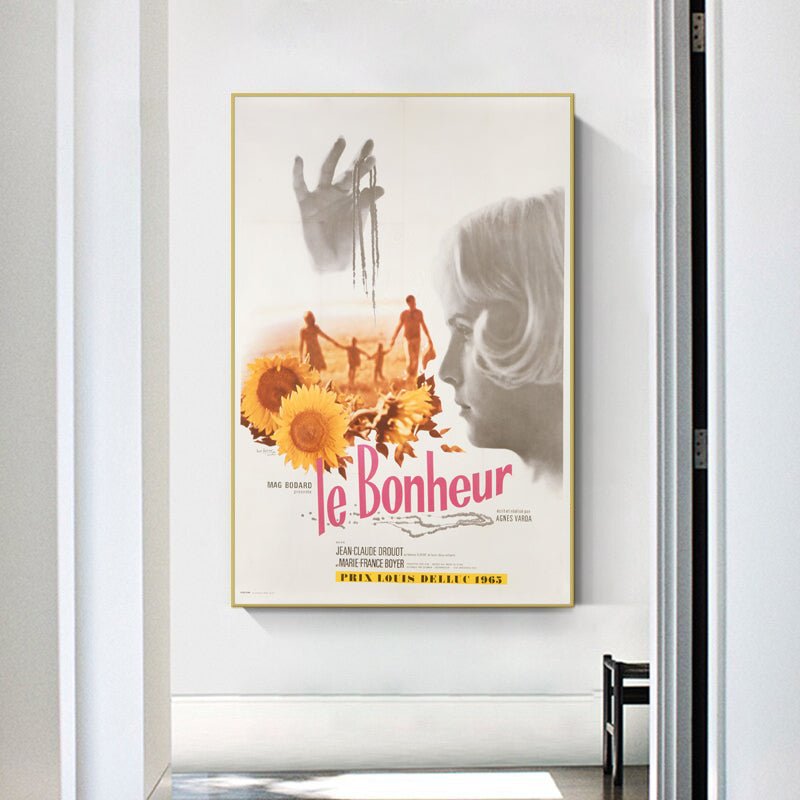
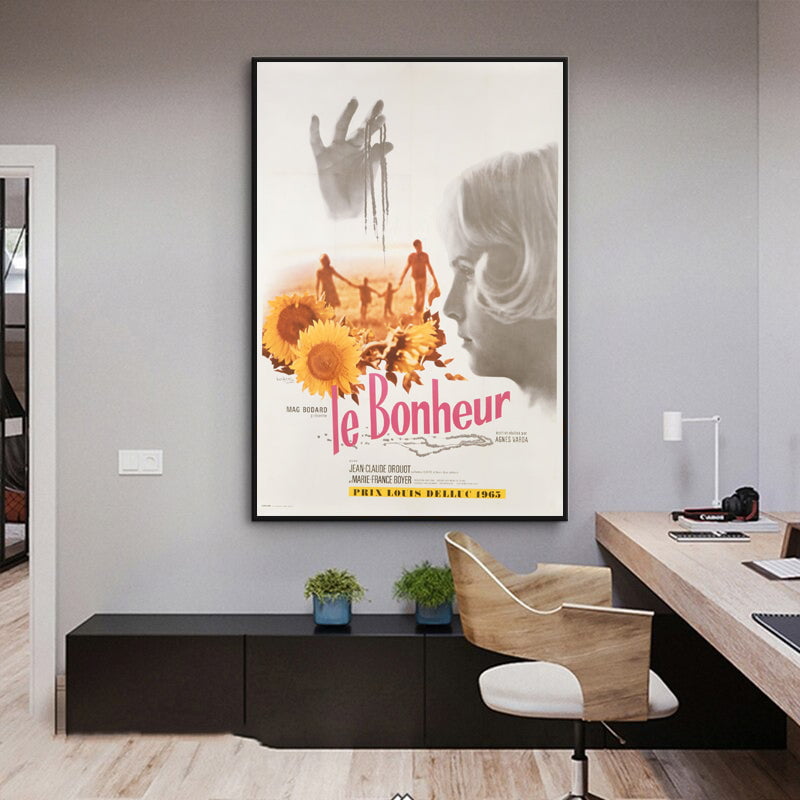
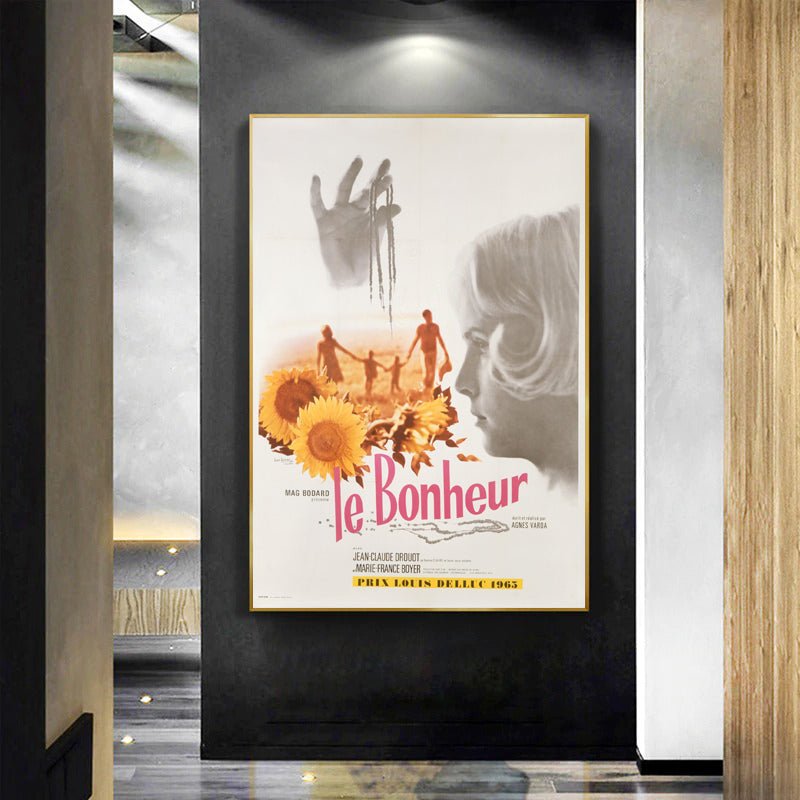
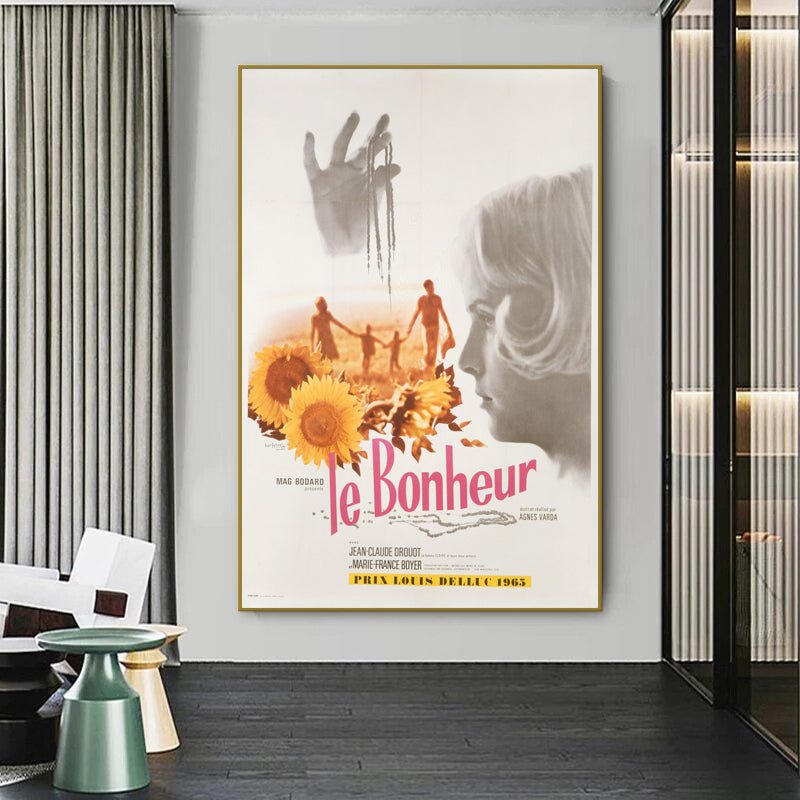
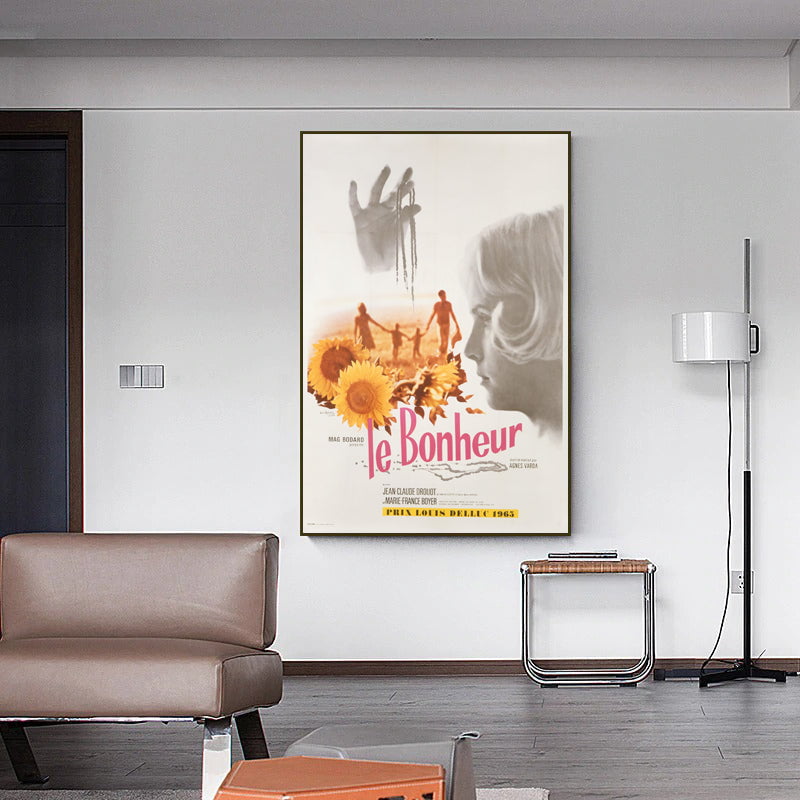
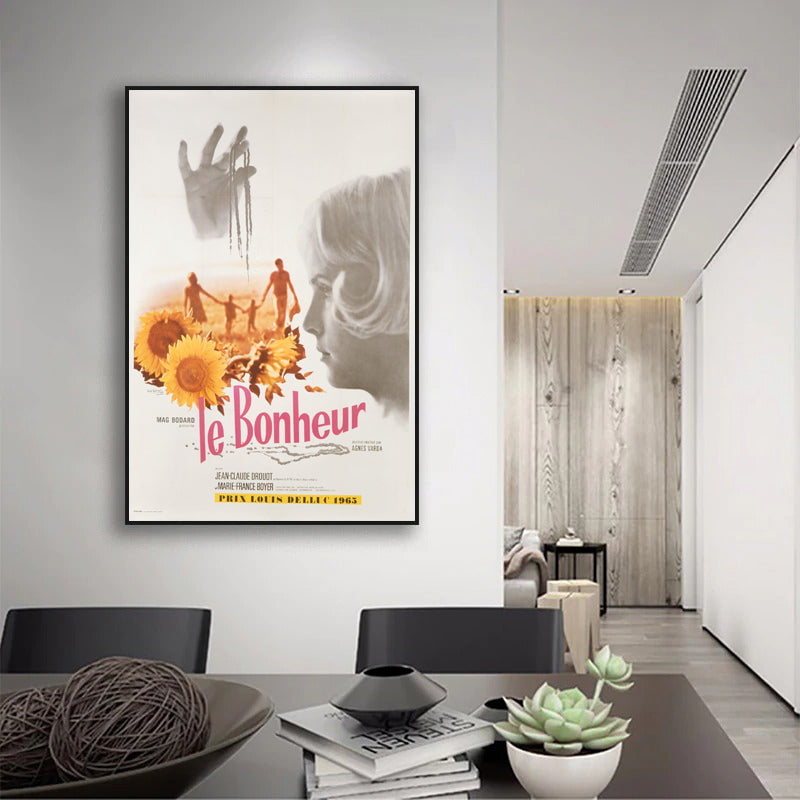






















Discover a unique cinematic experience with this Le Bonheur Poster, Agnès Varda’s masterpiece. Immerse yourself in a world of authentic emotions and contemplation, where each image captures the fleeting beauty of life. Explore joy, passion, and torment through Varda’s visionary lens, which transcends the boundaries of cinema. ‘Le Bonheur’ is much more than a film; it is an artistic exploration of the human soul, imbued with poignant moments and captivating visual aesthetics. Let yourself be swept away by this unforgettable sensory experience.
data-mce-style=”text-decoration: underline;”>Canvas: The global standard in printing and imitating a “canvas” look.
⚠️ Frame not included. ⚠️
Description of this Varda Le Bonheur Poster
“Le Bonheur” is a 1965 film directed by Agnès Varda, part of the French New Wave movement. The story follows the main character François, played by Jean-Claude Drouot, who leads a seemingly idyllic life between his job as a carpenter, his wife Thérèse (Claire Drouot), and their two children.
However, what sets this film apart is its subtle exploration of the emotional complexities and nuances of life. The narrative takes a surprising turn when François, with no apparent remorse, falls in love with another woman, Émilie (Marie-France Boyer), while maintaining his commitment to Thérèse. This unconventional approach to love and happiness raises profound questions about morality, human nature, and the perpetual quest for contentment.
Agnès Varda’s direction is distinguished by its innovative use of color and light, creating a captivating visual atmosphere. Each shot seems like a work of art, capturing the characters’ emotions with a unique visual poetry. The vibrant color palette reinforces the contrasts between moments of apparent happiness and underlying tensions.
The film’s soundtrack, composed by Jean-Michel Defaye, skillfully accompanies the different phases of the story, reinforcing the characters’ complex emotions. The dialogues, although minimalist, carry symbolic weight and contribute to the psychological depth of the protagonists.
Agnès Varda challenges the viewer’s expectations by avoiding direct moral judgments, thus allowing for personal reflection on the themes addressed. The film explores the nuances of love, happiness, and human nature in a way that transcends narrative conventions, inviting the audience to question their own beliefs on these universal subjects.
In sum, “Happiness” is a provocative cinematic work that combines remarkable visual aesthetics with a profound exploration of the human soul, offering a cinematic experience rich in emotion and reflection.