


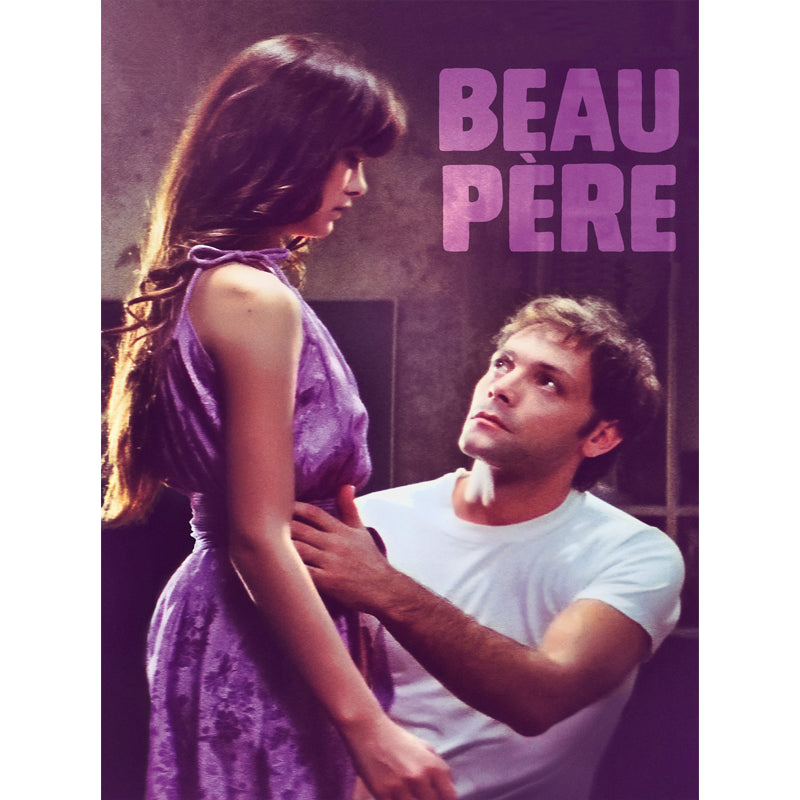


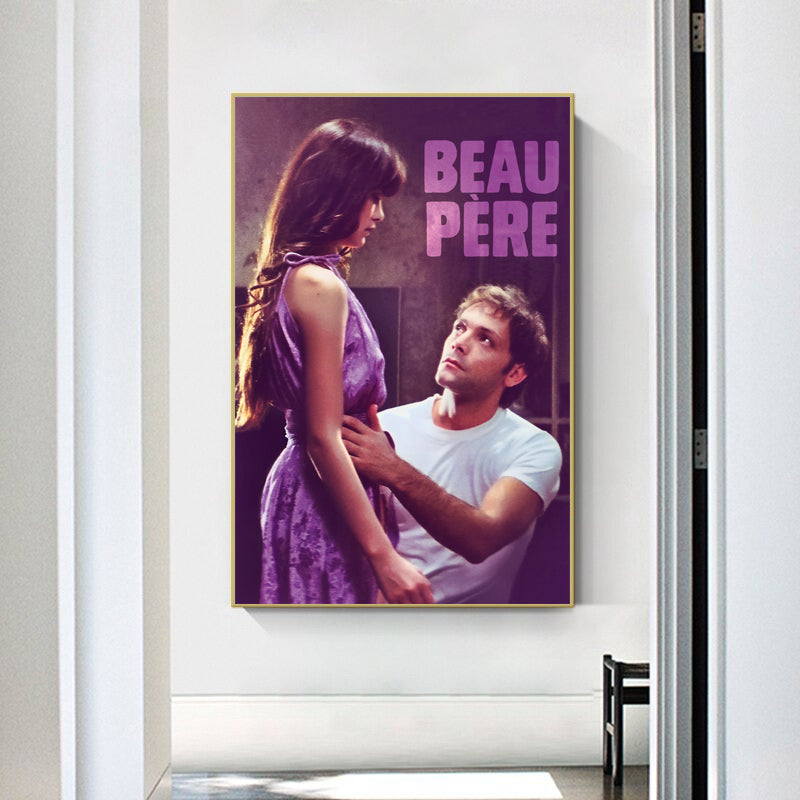

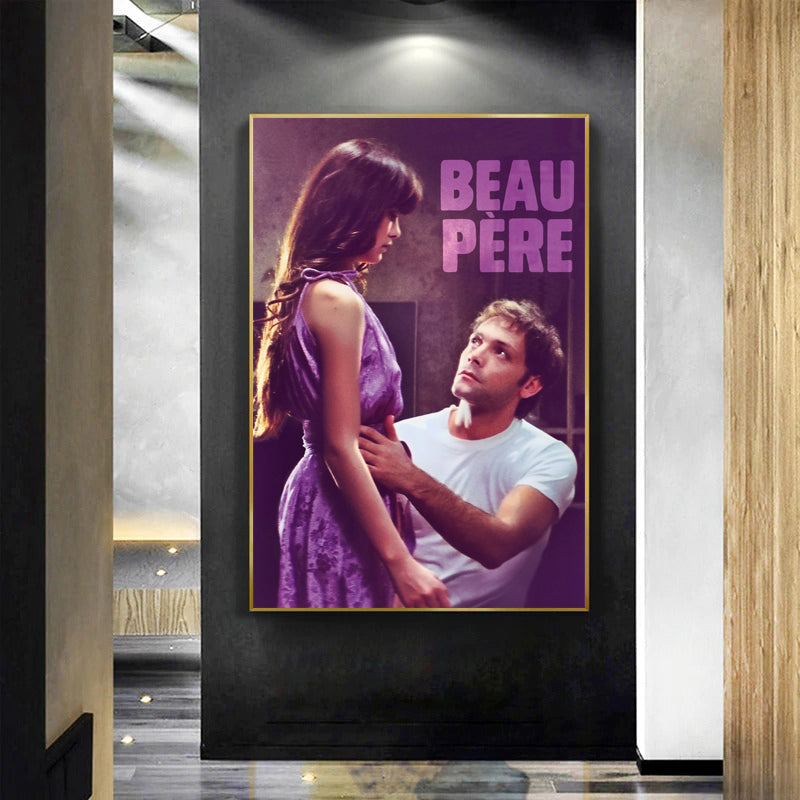


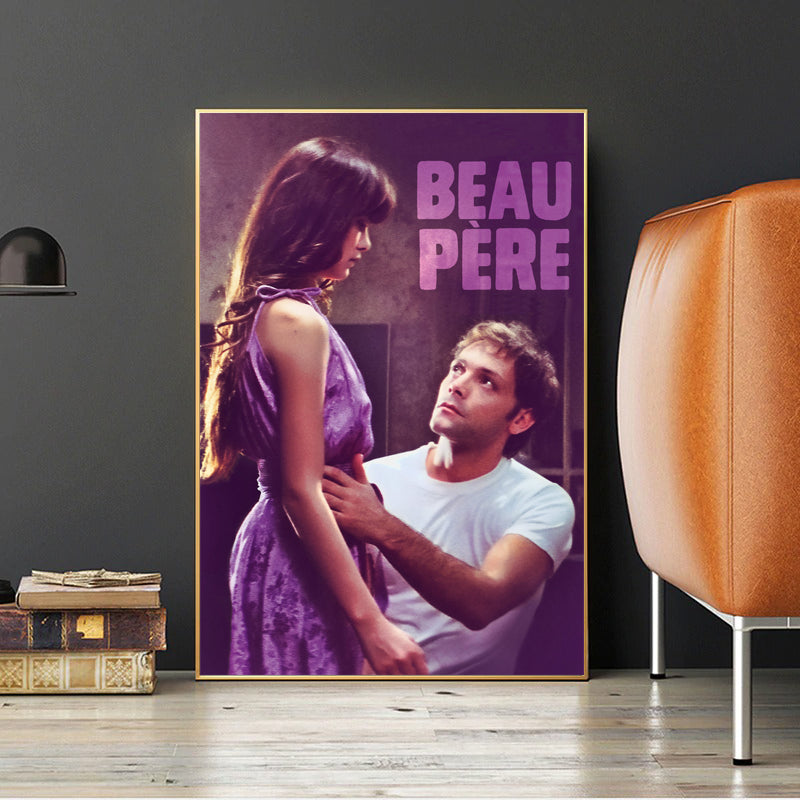

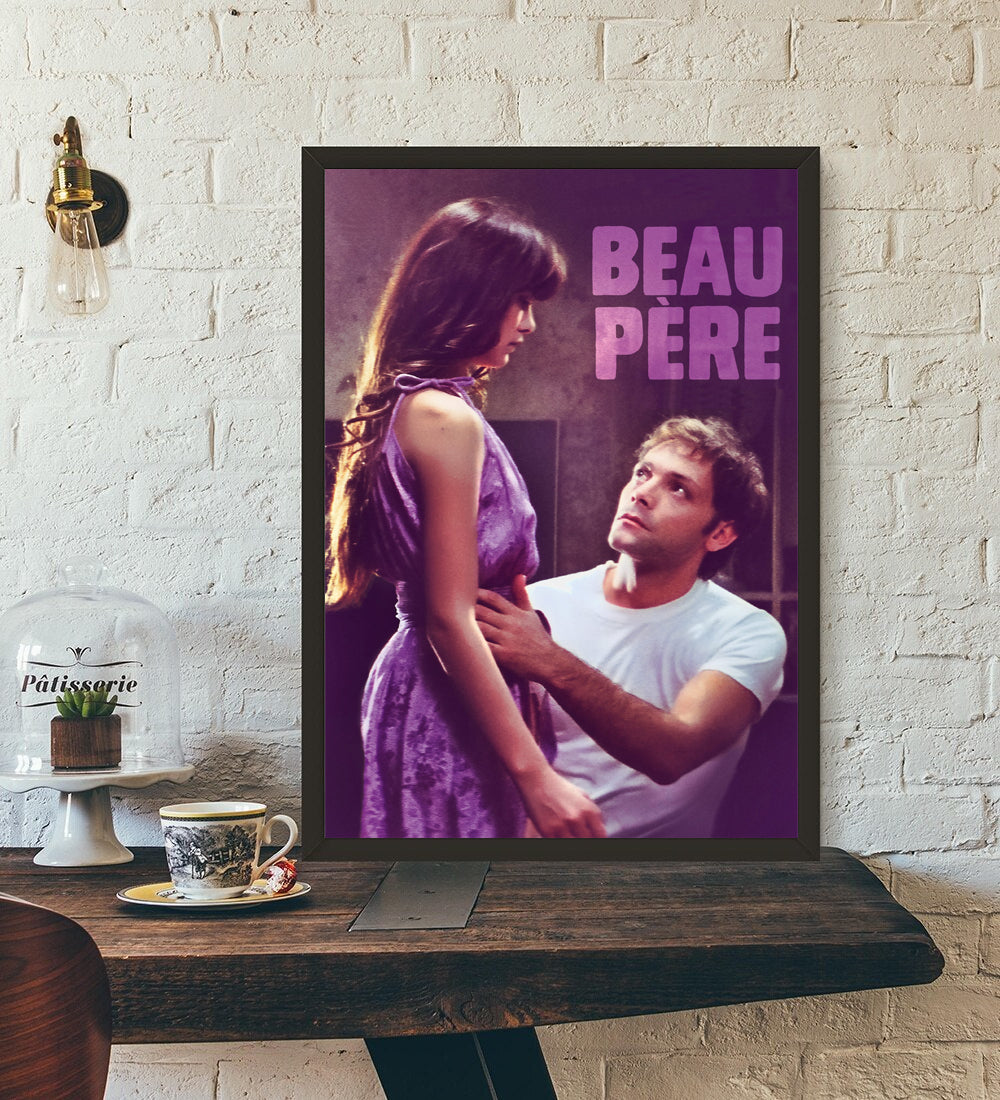
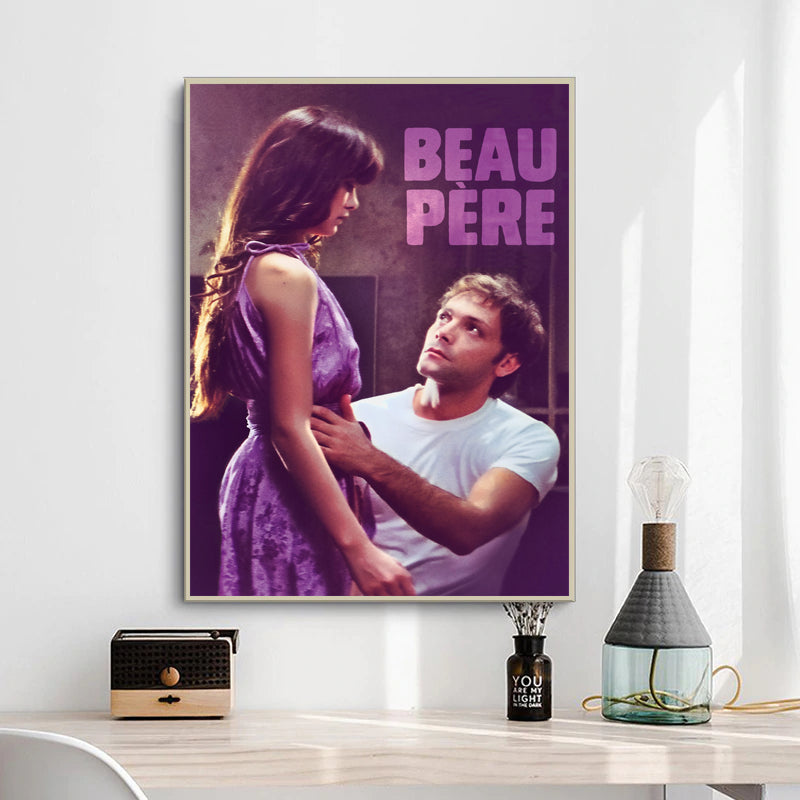


















With this Father-in-Law Poster, explore the twists and turns of complex family relationships and feel the raw emotion emanating from every scene. An intense cinematic journey, driven by exceptional performances, where love, conflict, and redemption intertwine. Discover a poster that captures the very essence of this masterpiece, inviting audiences to experience cinema for a lifetime.
- Paper Feature:
- 🎨 Canvas: Global standard in printing and imitating a “painting canvas” look.
- By default, the poster contains a 4cm white border for framing (frame not included). If you don’t want it, please choose “without white border”.
- ✅ Size: several choices available. ✅
- High UV resistance.
- Maximum color brilliance without reflections.
- Recycled paper guaranteed environmental friendliness.
- Poster wrapped carefully and delivered in a protective tube for total protection.
- FREE STANDARD DELIVERY.
⚠️ Frame not included. ⚠️
Description of this Beau Père Poster
“Beau Père” is a 1981 film directed by Bertrand Blier. The story focuses on Remy, played by Patrick Dewaere, a middle-aged man who begins a romantic relationship with his deceased wife’s daughter, Marion, played by Ariel Besse. The film explores the complex themes of family relationships, forbidden love, and social taboos.
The plot develops as Remy, divorced and struggling with loneliness, finds comfort in the company of Marion, a vulnerable teenage girl in search of love and attention. Their relationship gradually evolves into a romantic one, creating a context fraught with emotion and tension. Director Bertrand Blier boldly tackles sensitive subjects, challenging the social and moral norms of the time.
The film highlights the exceptional performances of the actors, particularly Patrick Dewaere and Ariel Besse, who convincingly capture the emotional nuances of their characters. Blier’s direction is characterized by subtle and provocative storytelling, exploring the protagonists’ inner conflicts while also provoking reflection on the limits of love and family.
The film’s aesthetic is carefully crafted, with evocative photography and a poignant soundtrack reinforcing the emotional atmosphere. Bertrand Blier manages to create a powerful and captivating narrative, highlighting the contradictions and ambiguities of human relationships.
Ultimately, “Beau Père” remains a controversial film that both disturbs and provokes reflection on universal themes such as love, family, and morality. Bertrand Blier’s cinematic mastery and the exceptional performances of the cast make this film a memorable work that continues to challenge viewers with its emotional complexity and social questions.