


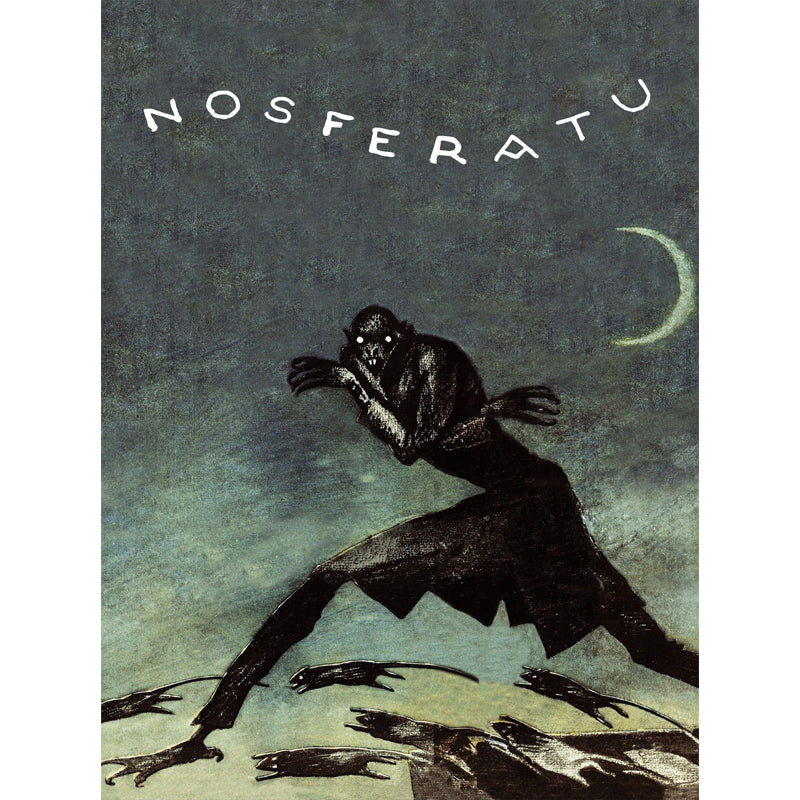

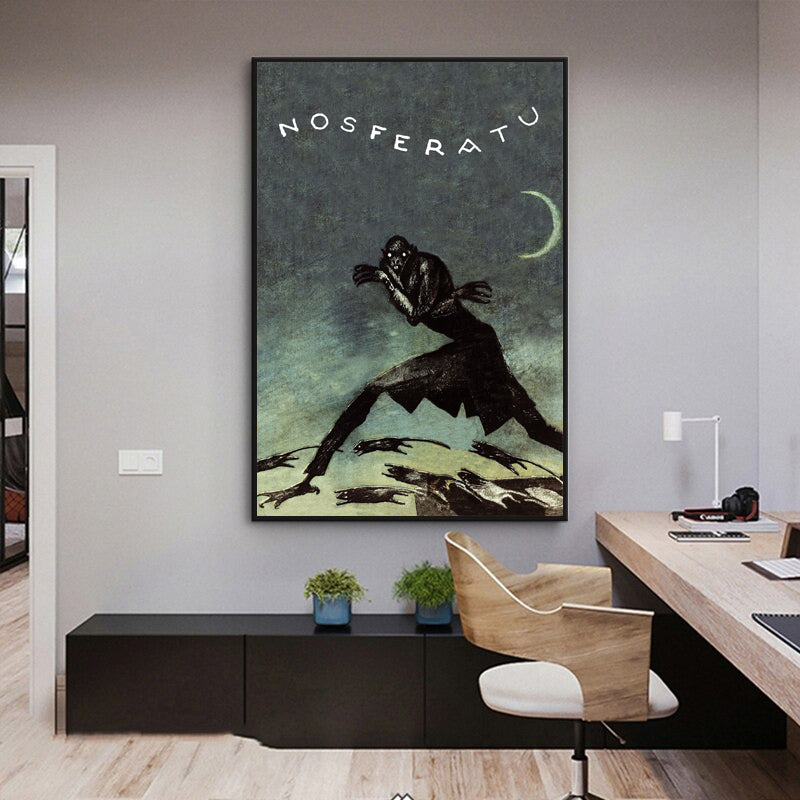
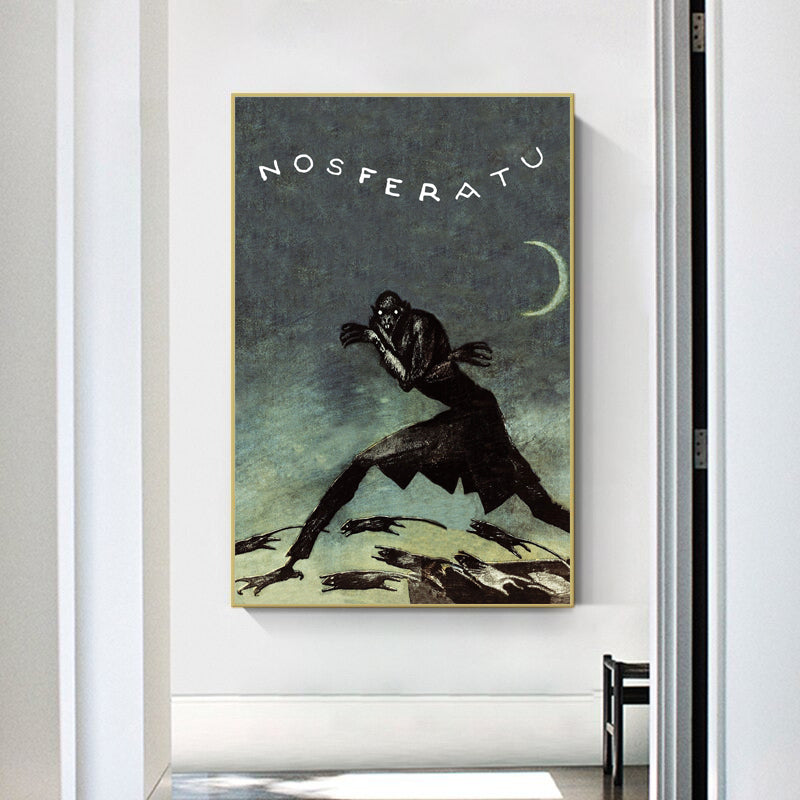
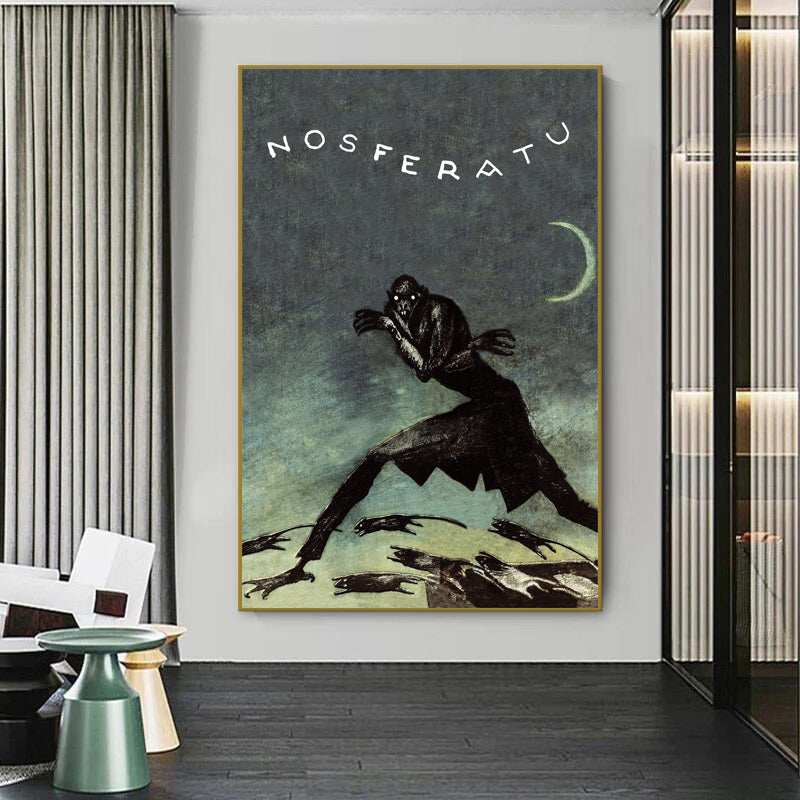
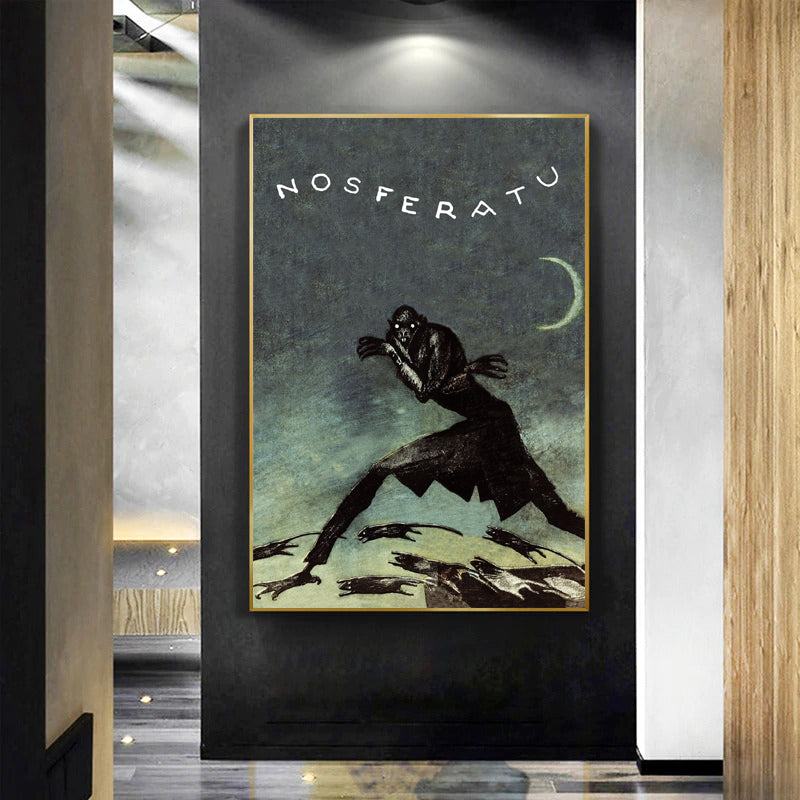
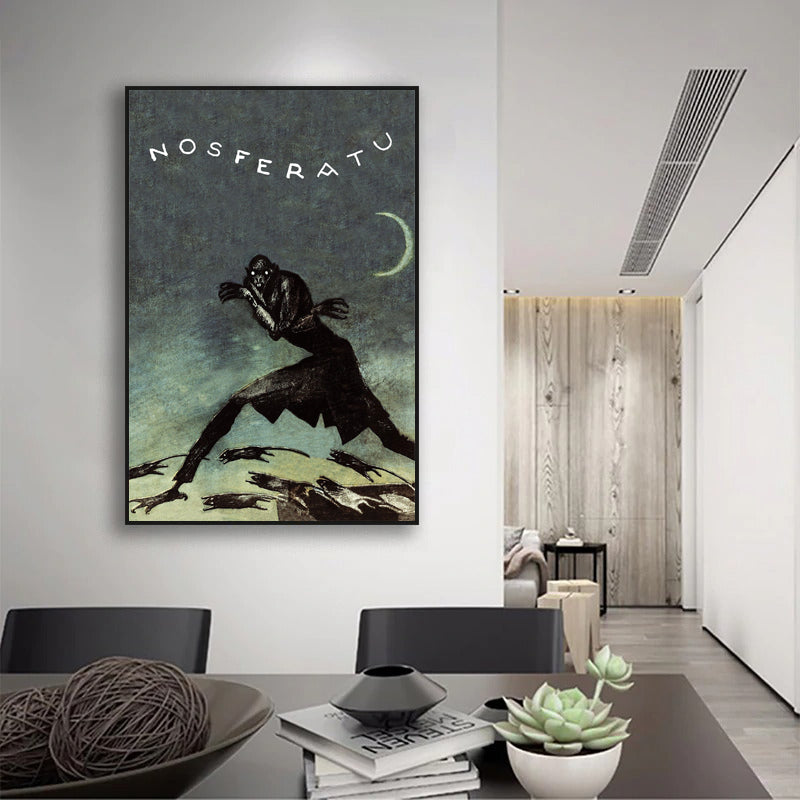
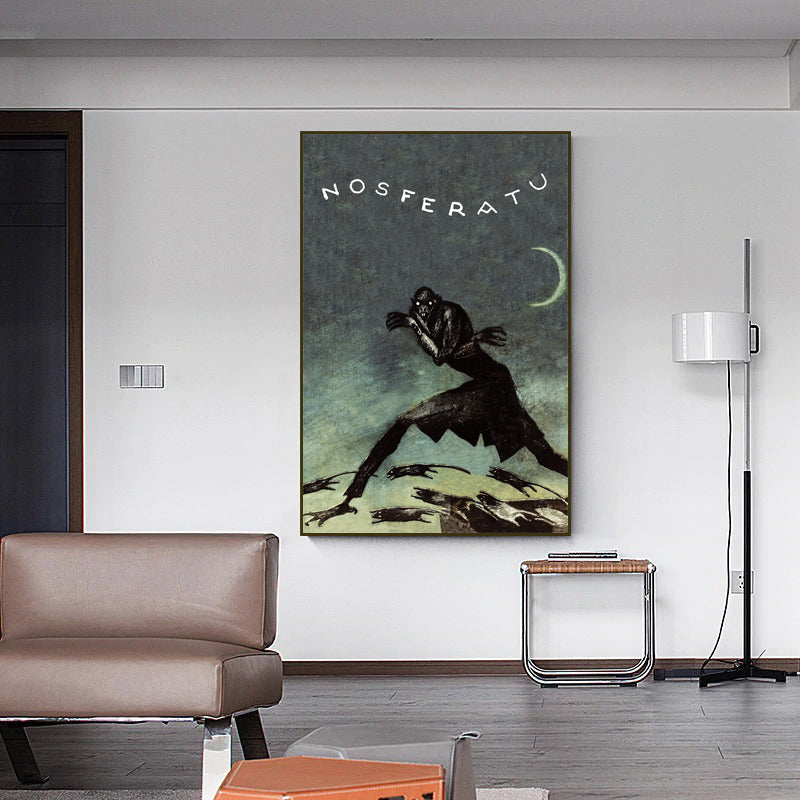

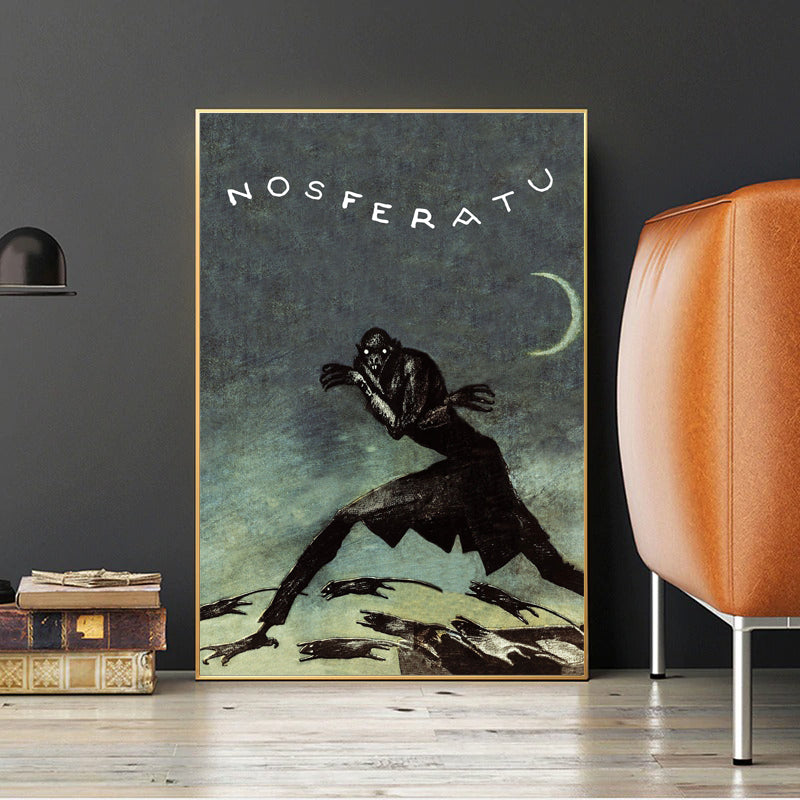
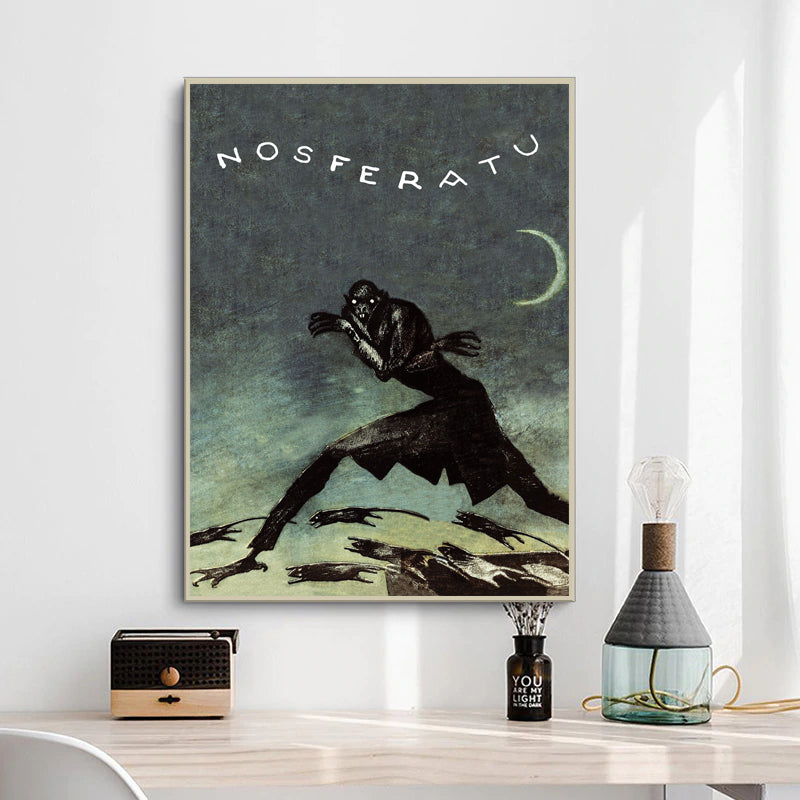
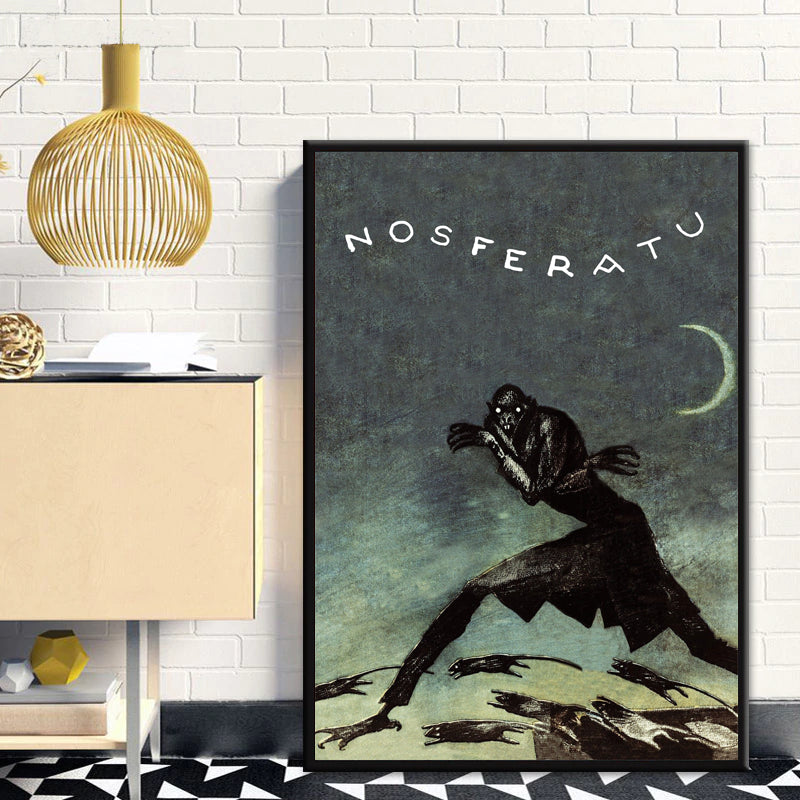
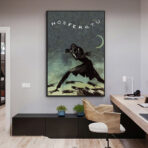
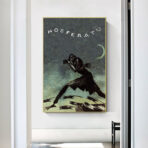
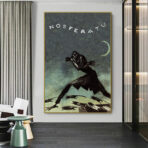

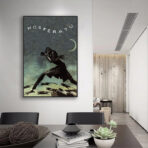
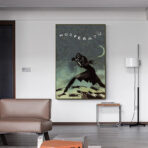
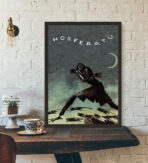

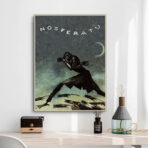
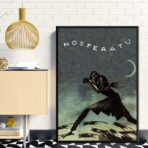






With this Nosferatu Poster, dive into the heart of anguish and mystery. The iconic vampire Nosferatu emerges from the darkness, his piercing eyes evoking terror. The poster’s gloomy aesthetic evokes the brilliance of German Expressionist cinema, while the dark color palette underlines the film’s emotional intensity. A visual invitation to horror, this poster promises an immersive cinematic experience, where every shadow hides unexpected thrills. Let yourself be captivated by the dark radiance of Nosferatu.
- Paper Feature:
- 🎨 Canvas: Global standard in terms of print and imitating a “painting canvas” look.
- By default, the poster contains a 4cm white border for framing (frame not included). If you don’t want it, please choose “without white border”.
- ✅ Size: Multiple choices available. ✅
- High UV resistance.
- Maximum color brilliance without reflections.
- Recycled paper guaranteed environmental friendliness.
- Poster wrapped carefully and delivered in a protective tube for total protection.
- FREE STANDARD DELIVERY.
⚠️ Frame not included. ⚠️
Description of this Nosferatu Poster
“Nosferatu,” directed by F.W. Murnau in 1922, is a masterpiece of German Expressionist cinema and a staple of the horror genre. Based on the novel “Dracula” by Bram Stoker, the film presents a unique interpretation of the story, starring Max Schreck in the iconic role of Count Orlok, an unauthorized version of the well-known vampire.
The plot takes place in mysterious Transylvania, where Thomas Hutter, played by Gustav von Wangenheim, is sent to complete a real estate deal with the mysterious Count Orlok. From the very beginning, an eerie atmosphere is established, accentuated by expressionist sets that create a fantastical, dreamlike world.
When Hutter reaches the Count’s castle, the strangeness of the surroundings and Orlok’s enigmatic behavior plunge him into a state of fear and anticipation. The mysterious and alluring poster may reflect these feelings of anxiety and curiosity that permeate the entire film.
The heart of the narrative lies in the vampiric threat posed by Count Orlok. Schreck embodies the character with chilling intensity, adding a truly terrifying dimension to the work. The play of light and shadow, characteristic of the Expressionist style, creates visually striking images, reinforcing the sense of terror.
When the vampire leaves Transylvania to settle in the town of Wisborg, anxiety spreads, and the lives of Hutter and his wife, Ellen, played by Greta Schröder, are plunged into a desperate struggle to escape the nocturnal creature’s grasp.
The soundtrack, although often absent in silent versions, has been incorporated over the years to accentuate the horror and eeriness. This work has inspired many other horror films and established archetypes that persist in popular culture.
In conclusion, “Nosferatu” is much more than just a silent horror film. It’s a cinematic experience that transcends decades, capturing the audience’s imagination with its striking visual aesthetic, unforgettable performances, and ability to evoke timeless terror. The poster must reflect this narrative and visual richness, enticing viewers to delve into the darkness of this cinematic classic.