


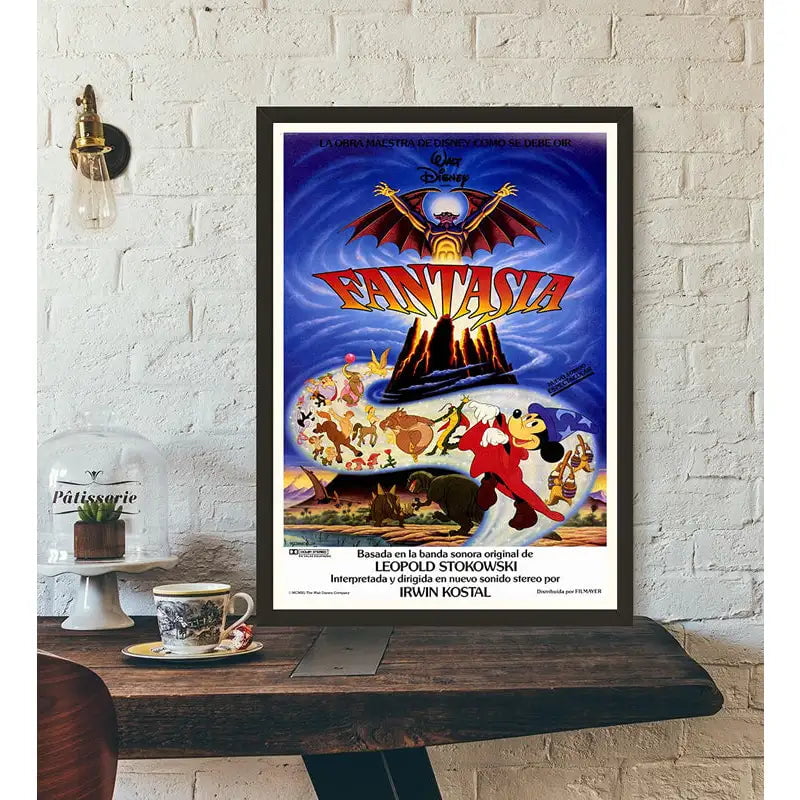


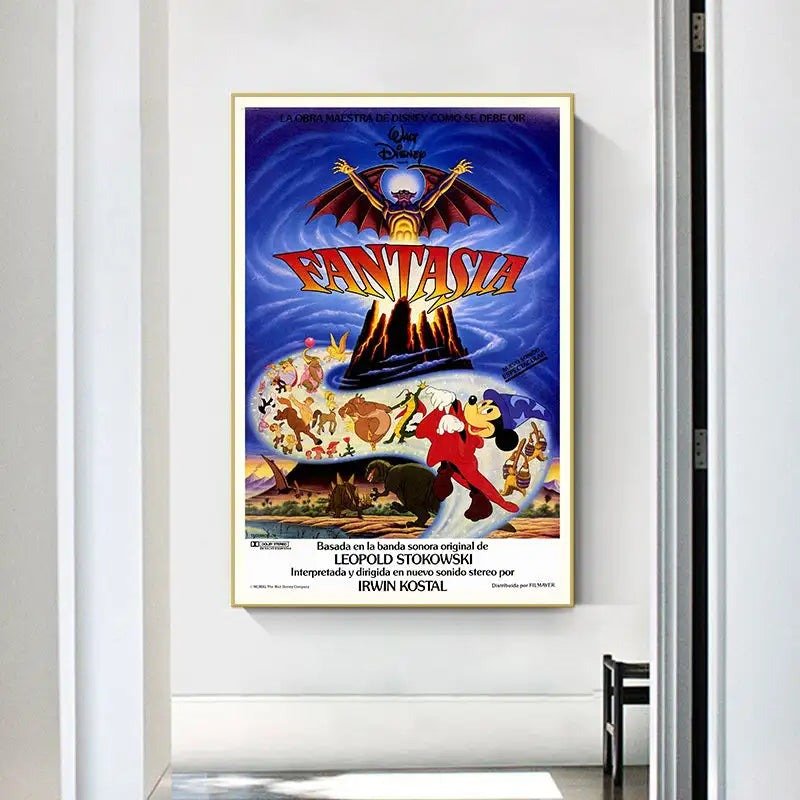


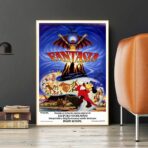
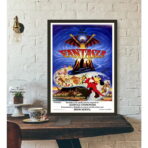

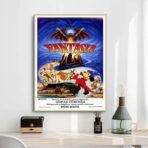
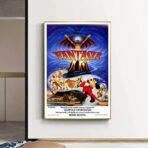






Rediscover the magic of this Disney musical with this superb Fantasia Poster that will remind you of the sweet melodies of the film.
- Paper Feature:
- 🎨 Canvas: global standard in terms of printing and imitating a “painting canvas” look.
- By default, the poster contains a 4cm white border for framing (frame not included). If you don’t want it, please choose “without white border”.
- ✅ Size: Multiple choices available. ✅
- High UV resistance.
- Color vibrancy maximum, glare-free.
- Paper recycled, guaranteeing environmental friendliness.
- Poster packaged carefully and delivered in a protective tube for Total protection.
- FREE STANDARD DELIVERY.
⚠️ Frame not included. ⚠️
Description of this Fantasia Poster
Fantasia opens with live scenes of an orchestra gathering against a blue backdrop and tuning their instruments in dim and bright light. The master of ceremonies, Deems Taylor, enters the stage (also in dim light) and introduces the program.
- Toccata and Fugue in D minor by Johann Sebastian Bach. Live shots of the orchestra lit in blue and gold, supported by layered shadows, blend into abstract patterns. Animated lines, shapes, and cloud formations reflect the sound and rhythms of the music.
- The Nutcracker Suite by Pyotr Ilyich Tchaikovsky. Selections from the 1892 ballet suite highlight scenes depicting the changing seasons, from summer to autumn to winter. Various dances are presented featuring fairies, fish, flowers, mushrooms, and leaves, including the “Dance of the Sugar Plum Fairy,” the “Chinese Dance,” the “Arabian Dance,” the “Russian Dance,” the “Dance of the Flutes,” and the “Waltz of the Flowers.”
- The Sorcerer’s Apprentice by Paul Dukas. Based on Goethe’s 1797 poem “Der Zauberlehrling.” Mickey Mouse, the young apprentice of the sorcerer Yen Sid, tries some of his master’s magic tricks but doesn’t know how to control them.
- The Rite of Spring by Igor Stravinsky. A visual history of Earth’s beginnings is depicted over selected sections of the ballet’s score. The sequence progresses from the formation of the planet to the first living creatures, then to the reign and extinction of the dinosaurs.
- Intermission/Meet the Soundtrack: The orchestra musicians leave and the Fantasia title card is revealed. After the intermission, there is a brief jam session of jazz music led by a clarinetist as the orchestra members return. Then, a stylized and humorous demonstration of how sound is rendered on film is presented. An animated “character” on the soundtrack, initially a straight white line, transforms into different shapes and colors depending on the sounds played.[.
- Ludwig van Beethoven’s Pastoral Symphony. A Greco-Roman mythical world of colorful centaurs and “centaurettes,” cupids, fauns, and other figures from classical mythology is depicted to Beethoven’s music. A gathering for a feast in honor of Bacchus, the god of wine, is interrupted by Zeus, who creates a storm and asks Vulcan to forge lightning bolts that he can hurl at the attendees.[11]
- Amilcare Ponchielli’s Dance of the Hours. A comic ballet in four sections: Madame Upanova and her ostriches (morning); Hyacinthus Hippo and his servants (afternoon); Elephantine and his troupe of bubble-blowing elephants (evening); and Ben Ali Gator and His Troupe of Alligators (night). In the finale, all the characters dance together until their palace collapses.
- Night on Bald Mountain by Modest Mussorgsky and Ave Maria by Franz Schubert. At midnight, the devil Chernabog awakens and summons evil spirits and restless souls from their graves on Bald Mountain. The spirits dance and fly through the air until they are repelled by the sound of the Angelus bell, as night turns to dawn. A choir is heard singing the Ave Maria while a line of robed monks is shown walking with lit torches through a forest and into the ruins of a cathedral.