


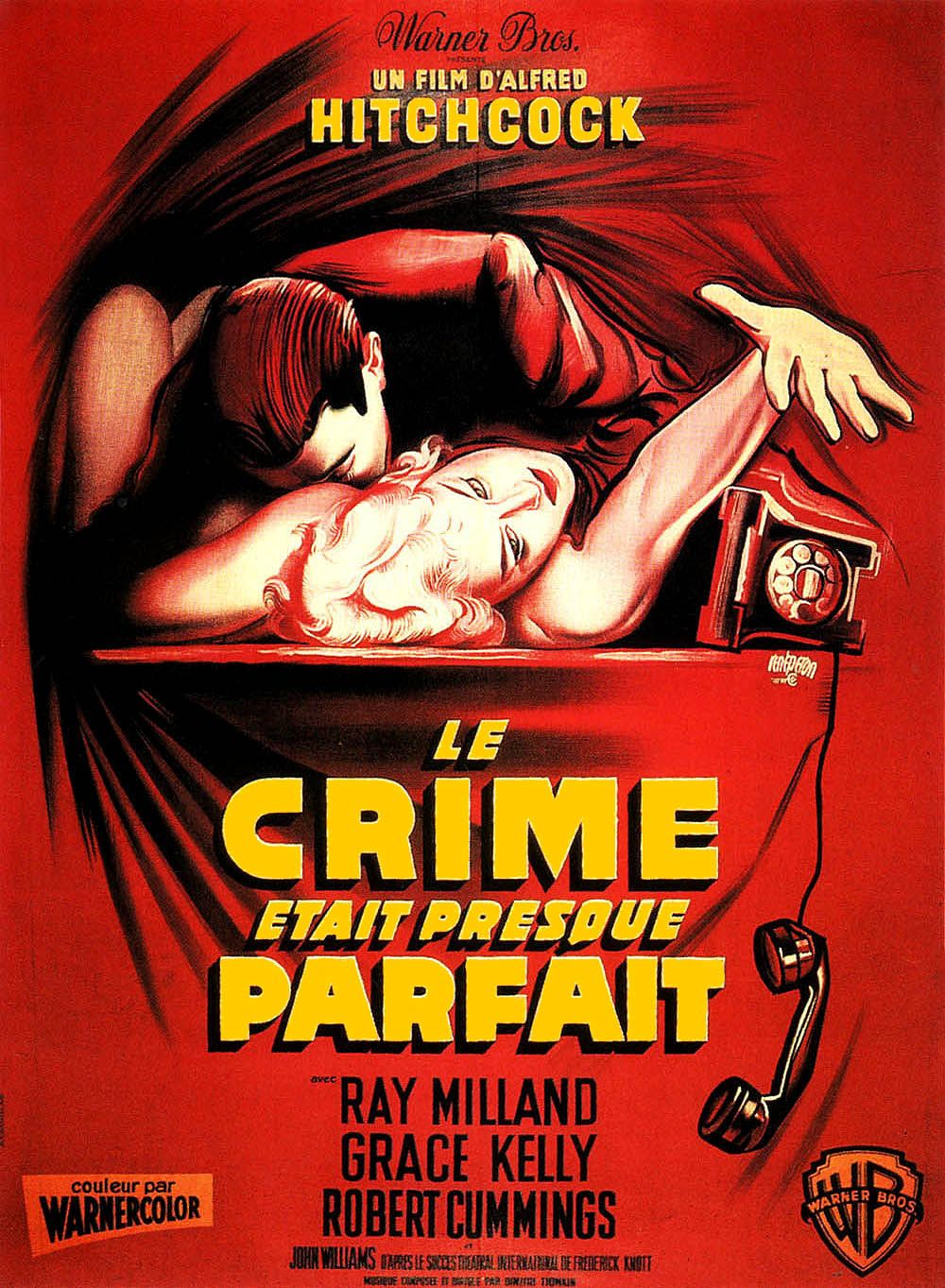
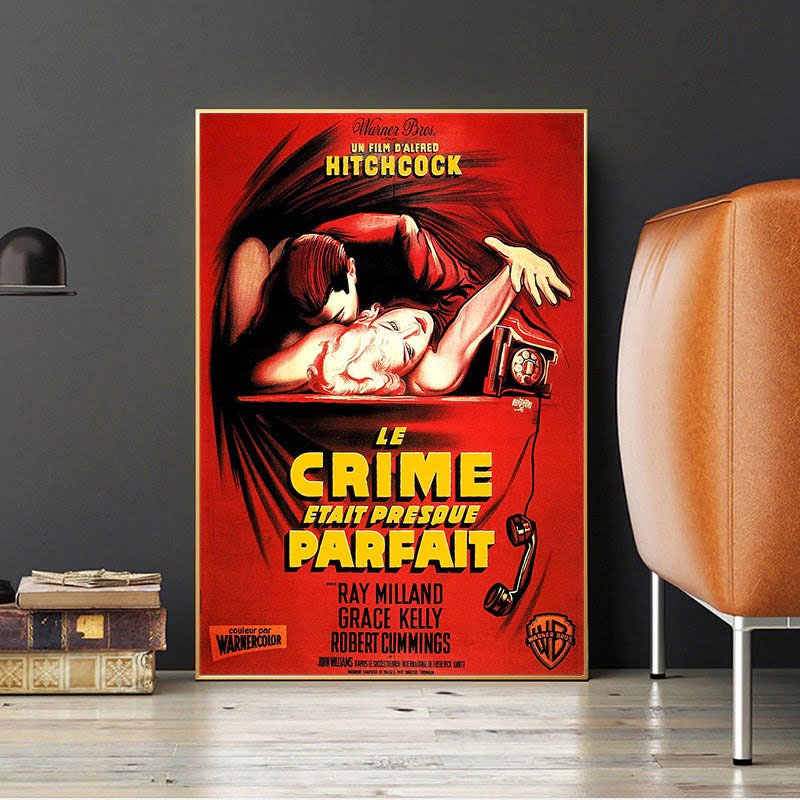
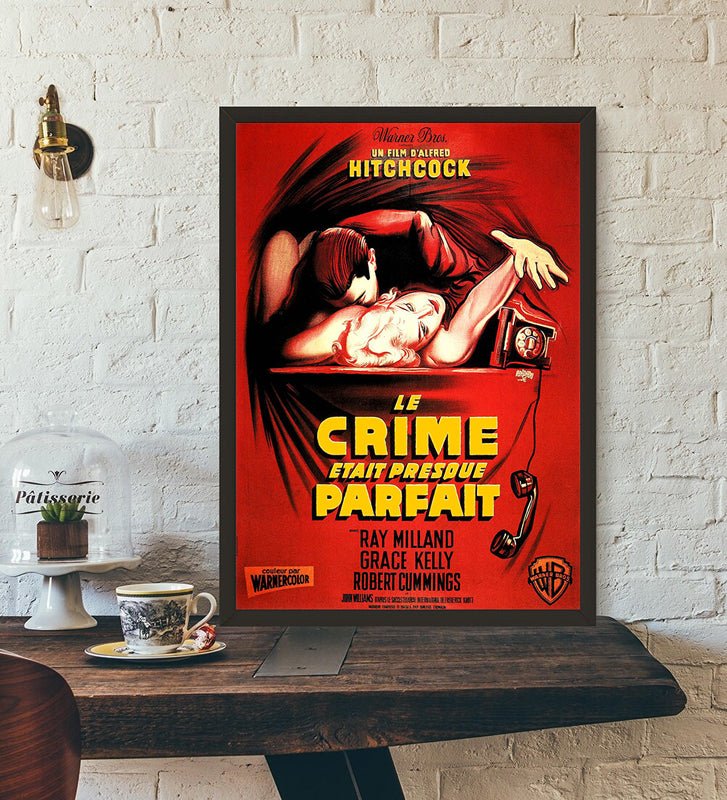
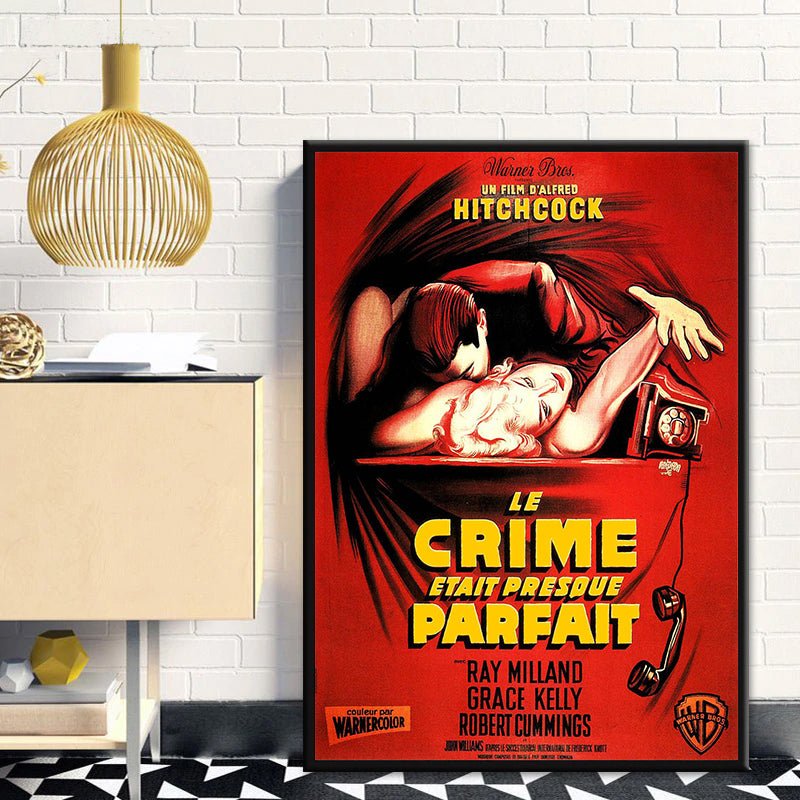
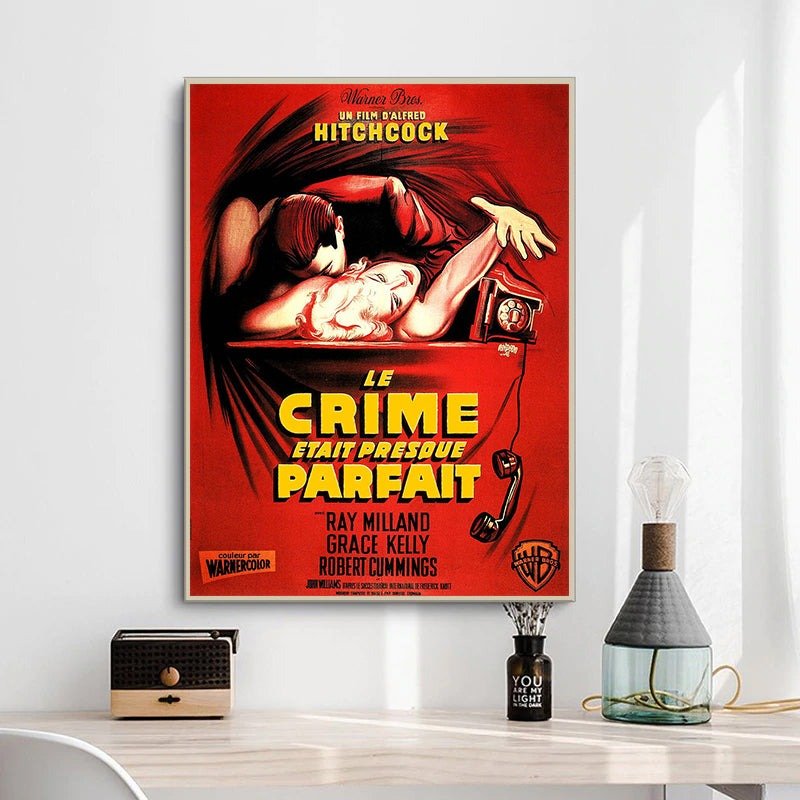
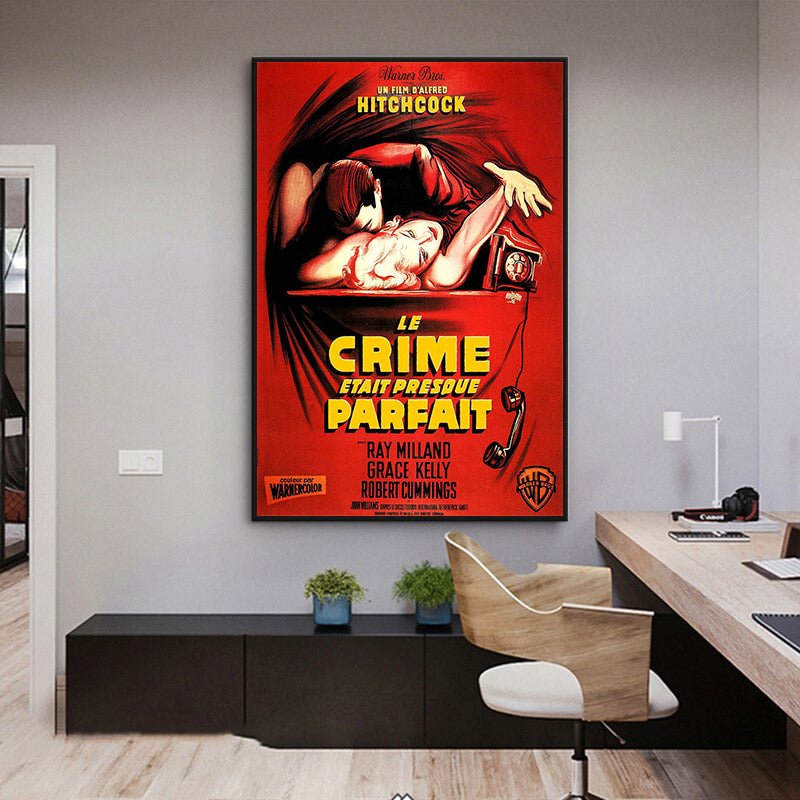
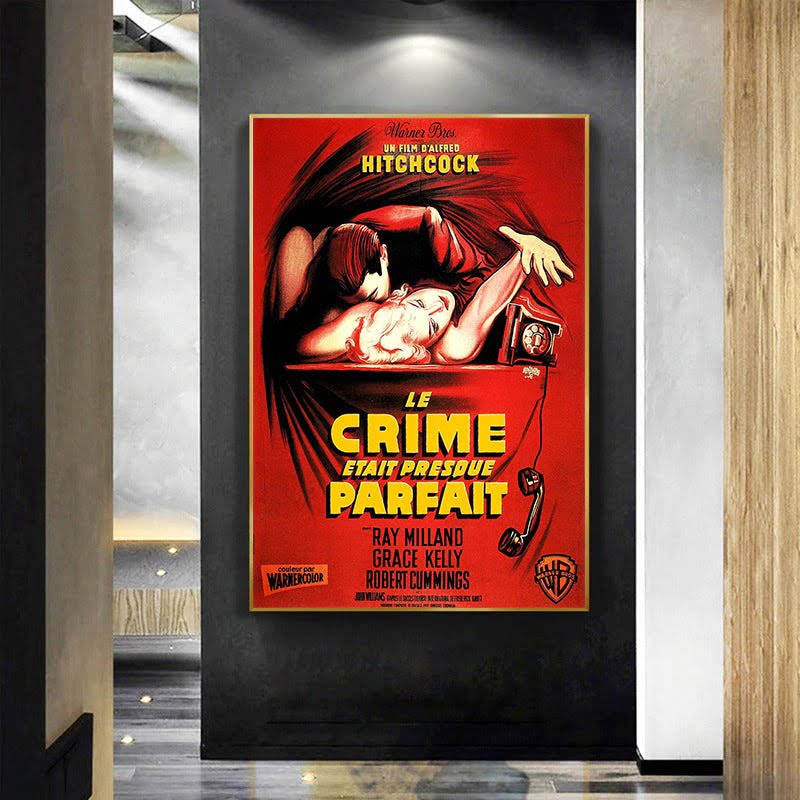
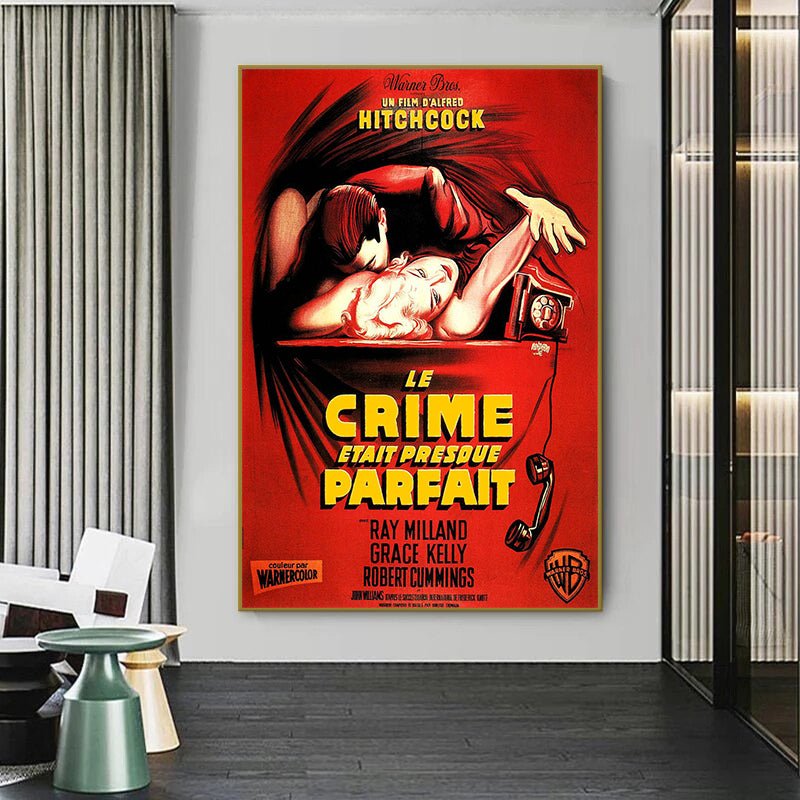
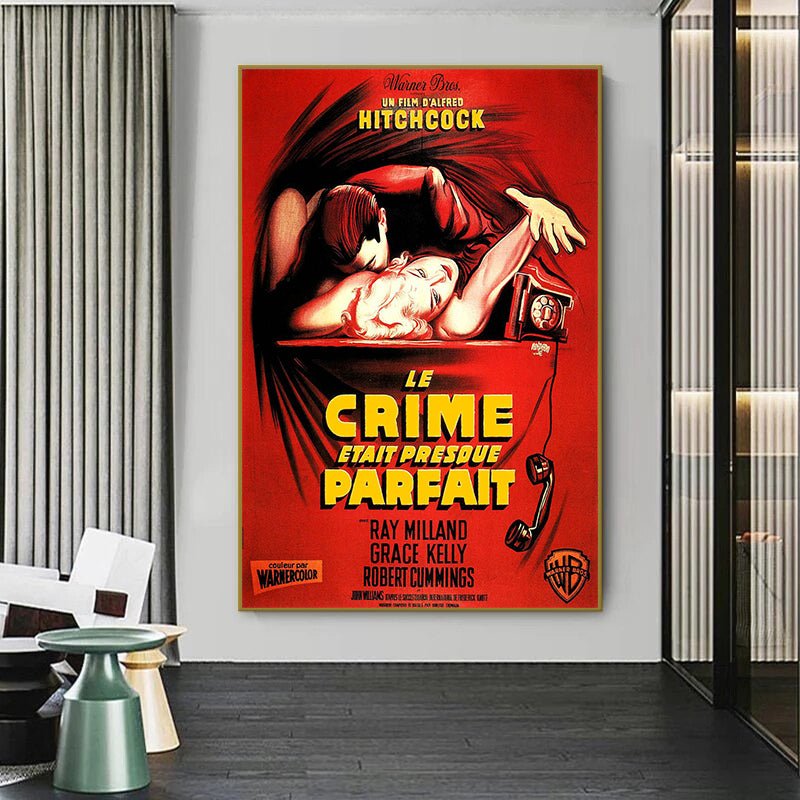
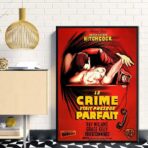
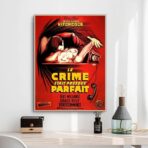
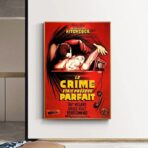
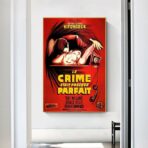
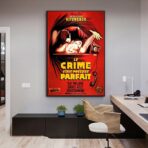
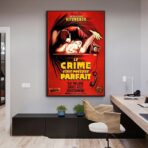
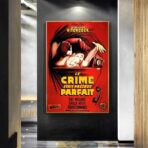
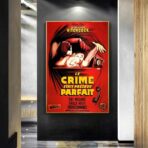
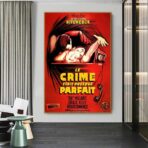
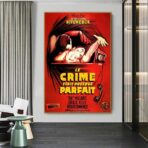
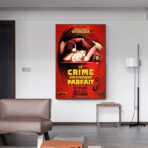
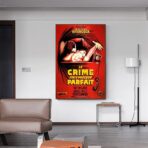










Rediscover the famous “Dark Murder” with this Alfred Hitchcock Movie Poster, whose vintage style will be ideal for your decoration.
- Paper Feature:
- 🎨 Canvas: global standard in terms of printing and imitating a “painting canvas” look.
- By default, the poster contains a 4cm white border for framing (frame not included). If you don’t want it, please choose “without white border”.
- ✅ Size: Multiple choices available. ✅
- High UV resistance.
- Color vibrancy maximum, glare-free.
- Paper recycled, guaranteeing environmental friendliness.
- Poster packaged carefully and delivered in a protective tube for Total protection.
- FREE STANDARD DELIVERY.
⚠️ Frame not included. ⚠️
Description of this Alfred Hitchcock Movie Poster
Darkness Was Almost Perfect is a 1954 American crime film directed by Alfred Hitchcock,[4] starring Ray Milland, Grace Kelly, Robert Cummings, Anthony Dawson, and John Williams. The screenplay and the hit play on which it is based were written by English playwright Frederick Knott. The play premiered in 1952 on BBC television,[5] before being performed on stage that same year in London’s West End in June, and then on Broadway in New York in October.
Originally intended to be shown in dual-channel polarized 3-D, the film was shown in most theaters in ordinary 2-D due to the loss of interest in the 3-D process (which was difficult and prone to error) at the time of its release.[6] The film is estimated to have grossed $2.7 million at the North American box office in 1954.
Tony Wendice, a retired English tennis player, is married to the wealthy socialite Margot, who is having an affair with the American mystery writer Mark Halliday. Unbeknownst to them, Tony has discovered their affair and plans to have Margot killed so he can inherit her fortune. Tony knows that Charles Swann, an old acquaintance from Cambridge University, has become a small-time con artist with a criminal record. Under some pretext, Tony invites Swann to his Maida Vale apartment and tells him about Margot’s affair. Tony also confides that six months earlier, he stole Margot’s handbag, which contained a love letter from Mark, and blackmailed her anonymously. After tricking Swann into leaving his fingerprints on the letter, Tony traps him, threatening to expose him as Margot’s blackmailer unless he kills Margot. With the added incentive of £1,000 in cash, Swann agrees to the murder, and Tony explains his plan. Tony and Mark will go to a party while Margot stays home alone. At a specific time when Margot will most likely be in bed, Swann will enter the apartment using Margot’s key, which Tony will hide under the foyer rug, and hide. A few minutes later, Tony will call the apartment from the party, and Swann will kill Margot when she answers the call. Swann then whistles on the phone to signal that the job is done, leaves evidence of a burglary gone wrong, and replaces the key under the entryway rug as she leaves. The following night, Swann enters the apartment, and Tony calls as planned. When Margot comes to the phone, Swann attempts to strangle her with her scarf, but she fatally stabs him with scissors. Hearing Margot call for help instead of Swann’s whistle, Tony advises her not to speak to anyone. He goes home, calls the police, sends Margot to bed, and transfers what he believes to be Margot’s key from Swann’s pocket to her purse. He also attempts to frame Margot by planting Mark’s letter on Swann and destroying Swann’s scarf. The next day, Tony persuades Margot to hide the fact that he told her not to call the police. Chief Inspector Hubbard arrives and questions the Wendices. Margot makes several contradictory statements. When Hubbard says the evidence indicates Swann entered through the front door, Tony claims Swann must be responsible for stealing Margot’s purse and made a copy of her key. As Tony would have it, Hubbard doesn’t believe this story and arrests Margot after concluding that she killed Swann for blackmailing him. Margot is convicted of murder and sentenced to death. Months later, the day before Margot’s scheduled execution, Mark visits Tony, telling him he has concocted a story he must tell the police to save Margot. Mark’s “story” closely matches what actually happened: Tony paid Swann to kill Margot. Hubbard arrives unexpectedly, and Mark hides in the bedroom. Hubbard questions Tony about the large sums of money he spent in the city, tricks him into revealing that his key fob is in his raincoat, and inquires about Tony’s briefcase. Tony claims to have misplaced it, but Mark, who overheard the conversation, finds it on the bed, filled with banknotes. Deducing that the money was Tony’s planned payment to Swann, Mark confronts Tony and explains his theory to Hubbard. Tony “confesses” that the money was Margot’s payment for blackmailing Swann, which he had concealed to protect her. Hubbard appears to accept Tony’s explanation, and Mark leaves in a huff. Hubbard discreetly switches his own raincoat with Tony’s. As soon as Tony leaves, Hubbard uses Tony’s key to get back into the apartment, followed by Mark. Hubbard had already discovered that the key in Margot’s purse was the key to Swann’s latch and deduced that Swann had returned the Wendice key to his hiding place after unlocking the door. Now, correctly suspecting Tony of conspiring with Swann, Hubbard had devised an elaborate ruse to trap him. Undercover police officers bring Margot from the jail to the apartment. She tries in vain to unlock the door with the key in her purse, then enters through the garden, proving to Hubbard that she does not know the key is hidden and is therefore innocent. Hubbard has Margot’s purse taken to the police station, where Tony retrieves it after discovering he has no key. When the key in Margot’s purse does not work, he uses the hidden key to open the door, demonstrating his guilt and exonerating Margot. As Hubbard and another police officer block his path, Tony calmly makes himself a drink and congratulates Hubbard.