


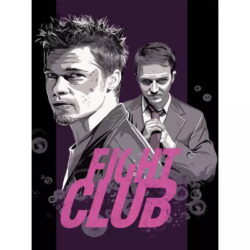
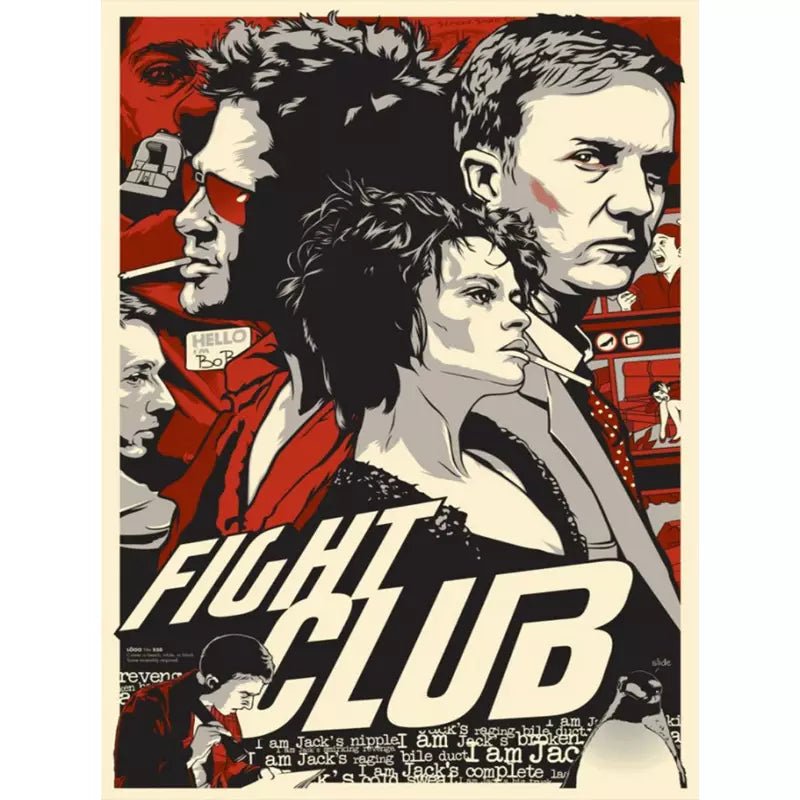
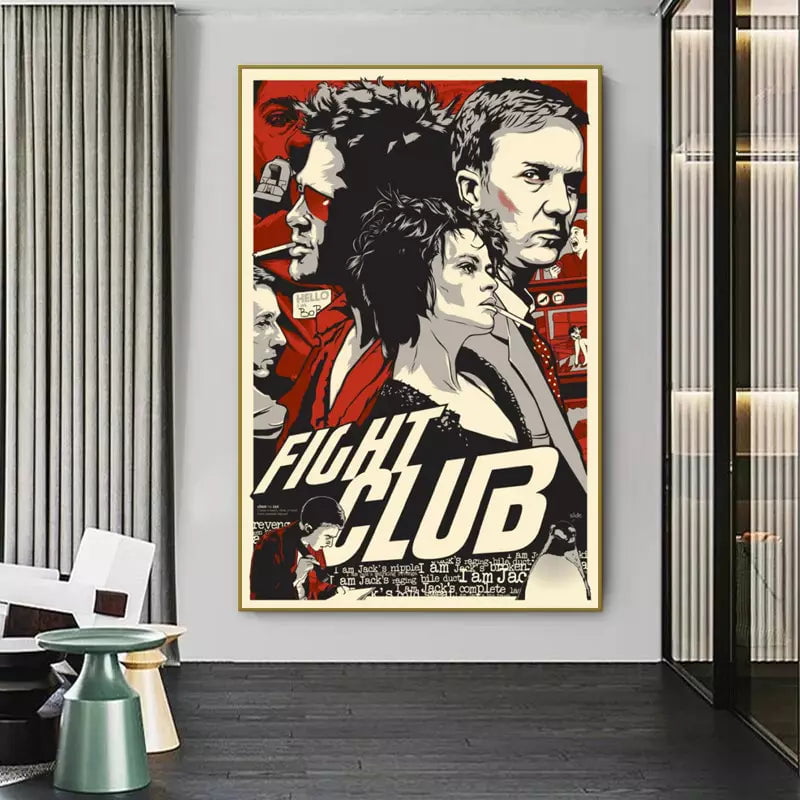
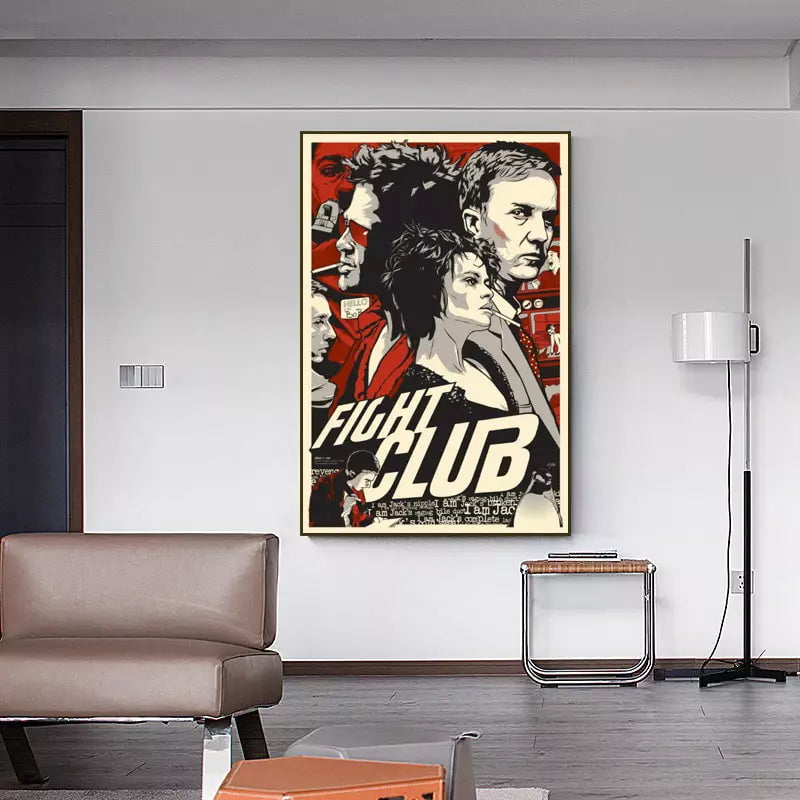
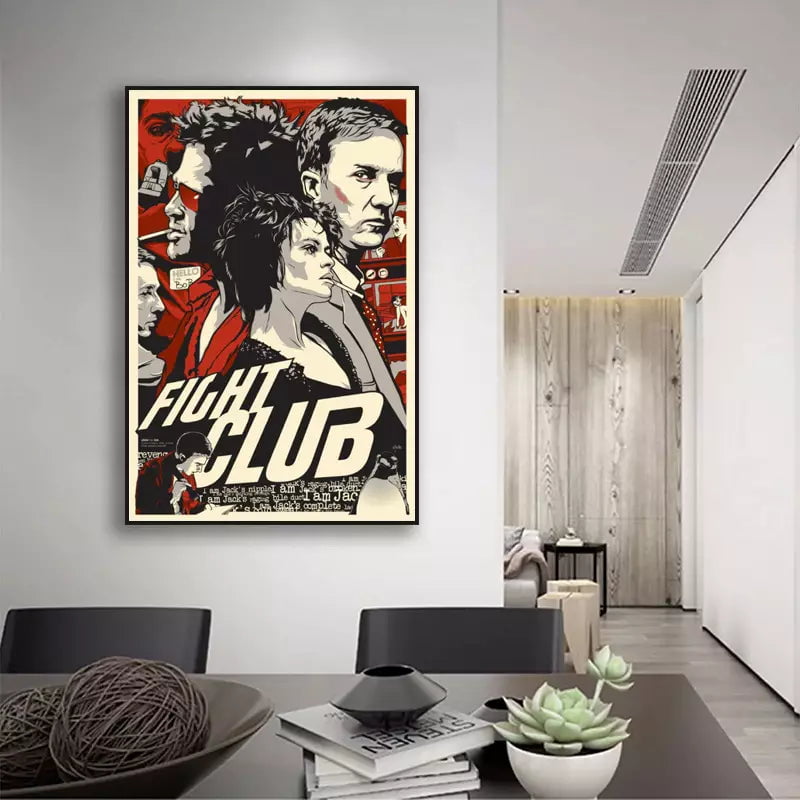

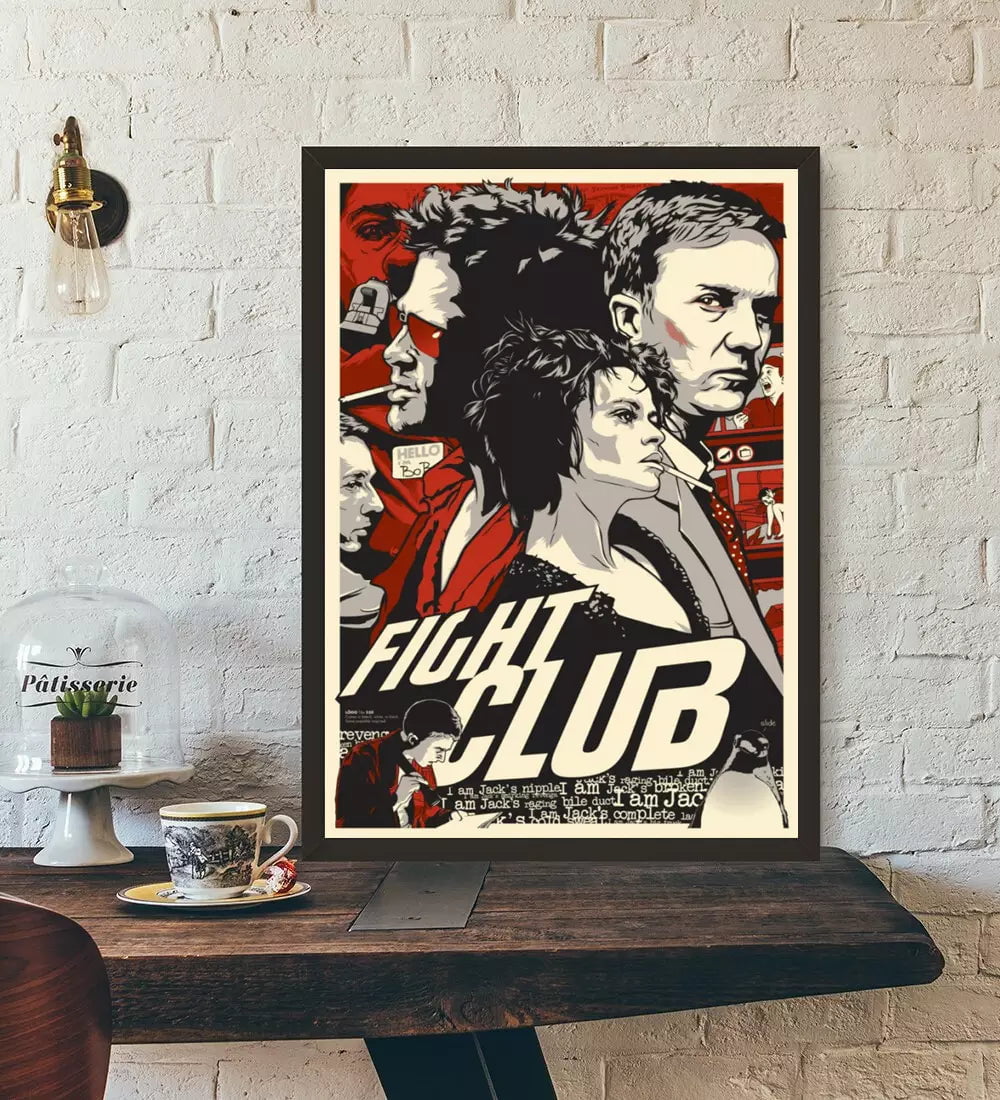

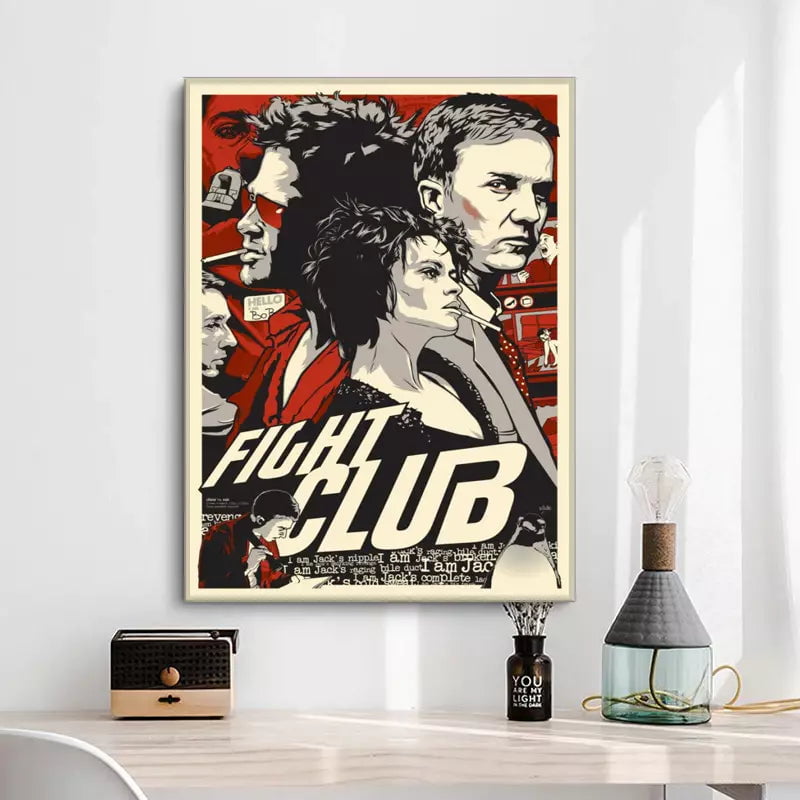
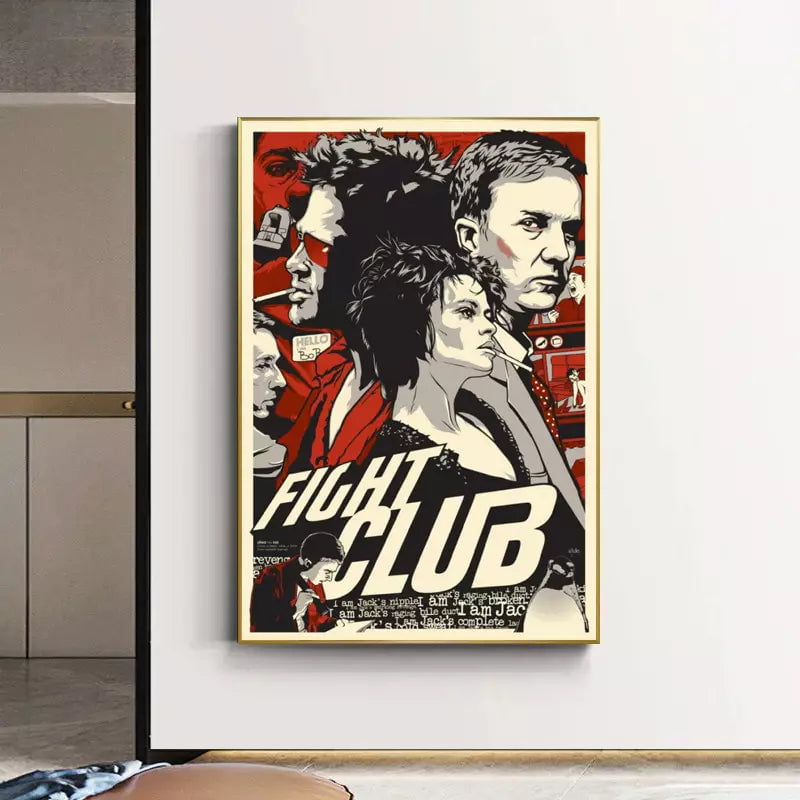
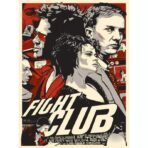
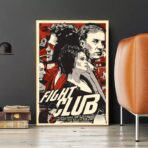
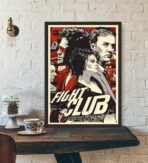
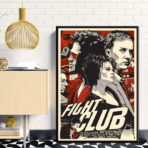
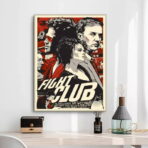












Discover this Vintage Fight Club Poster and immerse yourself in a cult classic that exudes unparalleled intensity. Feel the adrenaline rush of the fights and the profound exploration of the human psyche in this must-see cinematic masterpiece. Our striking poster captures the rebellious spirit, the duality of the characters, and the complex emotions that characterize this iconic film. Add a touch of power to your collection with this incredibly captivating visual representation of “Fight Club”.
- Paper Feature:
- 🎨 Canvas: Global Standard in terms of print and imitating a “painting canvas” look.
- By default, the poster contains a 4cm white border for framing (frame not included). If you don’t want it, please choose “without white border”.
- ✅ Size: Multiple choices available. ✅
- High UV resistance.
- Maximum color brilliance without reflections.
- Recycled paper guaranteed environmental friendliness.
- Poster wrapped carefully and delivered in a protective tube for total protection.
- FREE STANDARD DELIVERY.
⚠️ Frame not included. ⚠️
Description of this Vintage Fight Club Poster
Fight Club is a 1999 American film directed by David Fincher and starring Brad Pitt, Edward Norton, and Helena Bonham Carter. It is based on the 1996 novel of the same name by Chuck Palahniuk. Norton plays the unnamed narrator, who is unhappy with his white-collar job. He forms a “fight club” with soap salesman Tyler Durden (Pitt) and begins a relationship with a mysterious woman, Marla Singer (Bonham Carter).
Palahniuk’s novel was optioned by Fox 2000 Pictures producer Laura Ziskin, who hired Jim Uhls to write the film adaptation. Fincher was chosen because of his enthusiasm for the story. He developed the script with Uhls and sought script advice from actors and others in the film industry. The film was shot in and around Los Angeles from July to December 1998. He and the actors compared the film to Rebel Without a Cause (1955) and The Graduate (1967), with a theme of conflict between Generation X and the value system of advertising. Studio executives disliked the film and restructured Fincher’s planned marketing campaign in an attempt to reduce anticipated losses. Fight Club failed to meet the studio’s box office expectations and received polarizing reactions from critics. It has been ranked among the most controversial and discussed films of the 1990s. The film subsequently achieved commercial success upon its home video release, making Fight Club a cult classic and leading the media to revisit the film. In 2009, on the tenth anniversary of the film’s release, The New York Times called it “a defining cult film of our time.”
The narrator (who is not named in the film) is a chronic insomniac who is dissatisfied with his job as an auto recall specialist or the material wealth it provides. As therapy, he attends support groups for problems he doesn’t really have, such as alcoholism and cancer. Another imposter, Marla Singer, begins attending the same groups. Her presence is perceived by the narrator as a constant reminder of his dishonesty, interfering with the therapeutic effect he seeks. He confronts Marla and offers to split the participation in the groups, which she reluctantly agrees to.
On a flight back from a business trip, the Narrator meets Tyler Durden, a soap salesman, who tells him he is trapped by consumerism. The Narrator’s apartment and all his possessions are destroyed in an explosion. He then moves into Tyler’s dilapidated house in an industrial area. The two men begin fistfighting in a bar parking lot, which attracts other men and leads to the formation of Fight Club, which meets in the bar’s basement. Marla overdoses on pills while the Narrator ignores her plea for help, but Tyler saves her and they begin a sexual relationship.
The Narrator quits his job and blackmails his boss for the company’s assets to support Fight Club. Other members join Fight Club, including Robert “Bob” Paulson, a man the Narrator had befriended at a cancer support group. Tyler then recruits these men into his new organization, Project Mayhem, which engages in vandalism. When the Narrator complains about being excluded, Tyler reveals that he was behind the explosion at the Narrator’s apartment. Tyler disappears, and when Bob is killed by police during a sabotage operation, the Narrator attempts to stop Project Mayhem. He follows the paper trail of the cities Tyler has visited and discovers that Project Mayhem has spread nationwide. Marla and the members of the Project address the Narrator as “Mr. Durden,” and he realizes that he and Tyler are the same person.
The Narrator learns that Tyler plans to erase the debts by destroying the buildings containing the credit card records. He tries to warn Marla, but she doesn’t believe him. He goes to the police and is threatened by officers who reveal they are members of Project Mayhem; he then escapes to try to defuse the explosives in a building, but is overpowered by Tyler and held at gunpoint on the top floor. The Narrator realizes he is holding the gun, and he fires it into his own mouth, blowing a hole in his cheek. Tyler lies motionless, smoke pouring from his head, then collapses and disappears. Marla arrives, brought in by members of the Project, and finds the Narrator badly wounded but alive. He tells her she met him “at a very strange time” in his life, and they hold hands as they watch the buildings around them explode.